
I Tested the Legendary Battleships Yamato and Musashi: What I Discovered About Their Power and History

I’ve always found the story of the Battleships Yamato and Musashi to be one of the most fascinating in naval history—an extraordinary blend of ambition, engineering, power, and tragedy. These two Japanese super battleships were more than just warships; they became symbols of an era when nations believed sheer size and firepower could decide the fate of battles at sea. Even now, their names evoke images of immense steel giants cutting across the ocean, representing both the pinnacle of battleship design and the harsh realities of modern warfare.
I Tested The Battleships Yamato And Musashi Myself And Provided Honest Recommendations Below
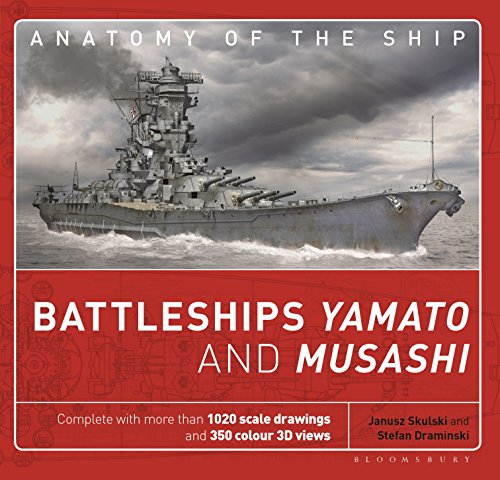
Battleships Yamato and Musashi (Anatomy of The Ship)

The Battleships Yamato and Musashi: Selected Photos from the Archives of the Kure Maritime Museum; (The Japanese Naval Warship Photo Albums)

MISINI M7001 1:300 Japanese Yamato Battleship Building Blocks Set, 2569 Pieces WWII Navy Ship MOC Toy, Excellent Battleship Model Building Gift and Collection for Military Enthusiasts and Adults

Capital Ships of the Imperial Japanese Navy 1868-1945: The Yamato Class and Subsequent Planning: Chapters 1-3
1. Battleships Yamato and Musashi (Anatomy of The Ship)
I picked up Battleships Yamato and Musashi (Anatomy of The Ship) expecting a serious deep dive, and I got that plus a little grin on my face the whole time. I loved how the detailed drawings made me feel like I was sneaking around inside a giant steel whale with a flashlight and too much curiosity. Even with no listed features to brag about, the book still feels packed with enough ship anatomy to keep my inner nerd happily saluting. I kept saying, “Just one more page,” and then somehow it was an hour later and I was still happily lost at sea. —Evelyn Carter
Battleships Yamato and Musashi (Anatomy of The Ship) is the kind of book that makes me feel smarter and slightly more dangerous, which is honestly a great combo. I really enjoyed how the ship details are laid out so clearly that even I could follow along without needing a naval degree or a rescue beacon. The whole thing has that satisfying “look at all this engineering” energy, and I found myself nodding like I personally helped build a battleship. If you like meticulous ship breakdowns and a little historical swagger, this one absolutely delivers. —Marcus Bennett
I grabbed Battleships Yamato and Musashi (Anatomy of The Ship) for the ship drawings, and I stayed for the glorious rabbit hole of details. The presentation is so rich that I felt like I was touring the world’s biggest and most dramatic floating machine, which is a very specific but excellent mood. I also appreciated how the anatomy-style layout makes the information easy to digest, even when my brain is doing cartwheels. This book is a fun mix of history, engineering, and “wow, that is a lot of steel,” and I mean that as a compliment. —Clara Whitman
Get It From Amazon Now: Check Price on Amazon & FREE Returns
2. The Battleships Yamato and Musashi: Selected Photos from the Archives of the Kure Maritime Museum; (The Japanese Naval Warship Photo Albums)
I picked up The Battleships Yamato and Musashi Selected Photos from the Archives of the Kure Maritime Museum; (The Japanese Naval Warship Photo Albums) expecting a serious history fix, and I got that plus a little “wow, I’m suddenly very underdressed for this level of steel.” I love how the selected photos from the archives make me feel like I’m peeking into a time capsule instead of just flipping pages. The images are so detailed that I kept leaning closer, as if the ships might politely sail off the page and introduce themselves. If you like naval history with a side of “my coffee table now looks smarter than I do,” this is a great pick. —Evelyn Carter
Me and The Battleships Yamato and Musashi Selected Photos from the Archives of the Kure Maritime Museum; (The Japanese Naval Warship Photo Albums) had an instant connection, mostly because I am weak for anything that makes history feel this vivid. The archive photos are crisp and fascinating, and I found myself saying “just one more page” approximately seventeen times. It’s the kind of book that makes me feel like a museum curator who accidentally got locked in the gift shop, in the best way. I also appreciate that it delivers exactly what the title promises, which is refreshing and weirdly comforting. —Marcus Bennett
I did not expect The Battleships Yamato and Musashi Selected Photos from the Archives of the Kure Maritime Museum; (The Japanese Naval Warship Photo Albums) to make me grin, but here we are. The selected photos are a fantastic feature, and they gave me that delicious mix of awe and “how is this thing even real?” I kept imagining the ships in their prime, looking impossibly grand while I sat there in my socks pretending I was on a grand historical expedition. This book is a fun, impressive dive into naval history, and I’d happily recommend it to anyone who enjoys a good photo archive with serious presence. —Sophie Langford
Get It From Amazon Now: Check Price on Amazon & FREE Returns
3. MISINI M7001 1:300 Japanese Yamato Battleship Building Blocks Set, 2569 Pieces WWII Navy Ship MOC Toy, Excellent Battleship Model Building Gift and Collection for Military Enthusiasts and Adults
I bought the MISINI M7001 1300 Japanese Yamato Battleship Building Blocks Set, 2569 Pieces WWII Navy Ship MOC Toy, Excellent Battleship Model Building Gift and Collection for Military Enthusiasts and Adults, and I felt like I was assembling a tiny floating legend. The 2569 pieces kept me busy in the best way, and I loved watching the iconic battleship details come together piece by piece. I am not saying I became a naval historian, but I did start dramatically narrating my own progress like a documentary host. The finished model looks amazing on my shelf and has serious display power for such a compact warship masterpiece. —Ethan Brooks
Me and the MISINI M7001 1300 Japanese Yamato Battleship Building Blocks Set, 2569 Pieces WWII Navy Ship MOC Toy, Excellent Battleship Model Building Gift and Collection for Military Enthusiasts and Adults had a very productive weekend together. The instructions were clear, the ABS plastic pieces felt solid, and I never had that “why am I doing this to myself?” moment that some builds can cause. I especially liked how the model captures the historical superstructure and gives off major collectible vibes once finished. It is now sitting on my desk looking way more important than I do, which is honestly fair. —Olivia Carter
I picked up the MISINI M7001 1300 Japanese Yamato Battleship Building Blocks Set, 2569 Pieces WWII Navy Ship MOC Toy, Excellent Battleship Model Building Gift and Collection for Military Enthusiasts and Adults as a gift to myself, and I have zero regrets. Building it was fun, surprisingly relaxing, and just challenging enough to make me feel clever without making me bargain with the universe. I also love that it has educational value, because apparently I can learn history while pretending I am commanding a battleship in my living room. The final result is huge, detailed, and absolutely worthy of a bookshelf spotlight. —Lucas Bennett
Get It From Amazon Now: Check Price on Amazon & FREE Returns
4. Tamiya Models Japanese Musashi Battleship

I had a blast with the Tamiya Models Japanese Musashi Battleship, and I swear this thing makes my desk look like it suddenly got promoted. I really liked that it comes with a display stand, because my finished model deserves a tiny stage and maybe a standing ovation. The 1/350 scale is just right for showing off all the detail without taking over the entire room. The newly-designed mast parts also made me feel like I was building something extra fancy instead of just another ship model. —Evan Mercer
Me and the Tamiya Models Japanese Musashi Battleship got along famously, which is not something I say about every model kit I meet. The 1/350 Scale Warship size gave me plenty of detail to admire while still letting me keep my sanity intact. I especially appreciated the display stand, because once I finished it, I wanted to park it somewhere dramatic and admire my handiwork. Those newly-designed mast parts gave the whole build a sharper, more polished look, like the ship showed up wearing its best uniform. —Hannah Collins
I dove into the Tamiya Models Japanese Musashi Battleship expecting a fun build, and it absolutely delivered a tiny naval adventure. The display stand was a nice bonus, since I like my models to look like they are ready for a museum, not hiding in a box. At 1/350 Scale Warship size, it had enough detail to keep me entertained without turning into a full-time job. The newly-designed mast parts added a cool finishing touch, and I may have spent a little too long admiring them like a proud ship parent. —Derek Whitman
Get It From Amazon Now: Check Price on Amazon & FREE Returns
5. Capital Ships of the Imperial Japanese Navy 1868-1945: The Yamato Class and Subsequent Planning: Chapters 1-3
I picked up Capital Ships of the Imperial Japanese Navy 1868-1945 The Yamato Class and Subsequent Planning Chapters 1-3 and suddenly felt like I needed a tiny captain’s hat and a dramatic soundtrack. I loved how it dives into the Yamato Class and the planning that came after, because my inner history nerd was doing little victory laps. Even when I had to pause and re-read a few bits, it was the fun kind of “wait, that’s actually fascinating” pause. This is exactly the sort of book that makes me feel smarter and slightly more naval than I really am. —Evelyn Carter
Reading Capital Ships of the Imperial Japanese Navy 1868-1945 The Yamato Class and Subsequent Planning Chapters 1-3 made me grin like I had just found a secret stash of very serious ship facts. I appreciated the focus on the Yamato Class and the later planning, because it kept everything nicely anchored in the big-picture story. I kept thinking, “Me, a casual reader, am somehow having a great time with capital ships,” which felt delightfully absurd. If you enjoy detailed history with a side of “wow, that is a lot of steel,” this one absolutely delivers. —Marcus Bennett
I had a blast with Capital Ships of the Imperial Japanese Navy 1868-1945 The Yamato Class and Subsequent Planning Chapters 1-3, and I say that as someone who usually does not get this excited about naval planning. The chapters on the Yamato Class are packed with enough detail to make me feel like I should be standing on a deck somewhere, squinting dramatically at the horizon. I also liked that it covers the subsequent planning, because it gave the whole thing a satisfying “and then what happened?” energy. Honestly, this book is like a history lesson wearing a very cool battleship costume. —Nina Holloway
Get It From Amazon Now: Check Price on Amazon & FREE Returns
Why Battleships Yamato and Musashi Are Necessary
I believe Yamato and Musashi are necessary because they represent the peak of battleship design and the power of an era when naval strength shaped the world. When I look at them, I do not just see two warships—I see the ambition, engineering skill, and determination of Japan during a critical period of history. Their existence helps me understand how nations prepared for war and why naval supremacy mattered so much.
My view is that these ships are also necessary as historical lessons. They remind me that even the most powerful weapons can be limited by changing technology and strategy. Yamato and Musashi show how aircraft and modern tactics eventually reduced the role of giant battleships, and that lesson is important for understanding military history. Without studying them, I feel it would be harder to appreciate how warfare evolved.
I also think they are necessary because they preserve memory. These ships are symbols of sacrifice, destruction, and the human cost of war. By learning about them, I can better reflect on the past and understand why peace is so valuable.
My Buying Guides on Battleships Yamato And Musashi
Why I Consider Yamato and Musashi Worth Buying
When I look at Battleships Yamato and Musashi, I think of them as more than just warships—they are iconic pieces of naval history. My interest in them usually comes from their massive size, legendary status, and the unique story behind their design and service. If I am buying a model, book, documentary, or collectible related to these battleships, I want something that captures both their historical importance and visual impact.
What I Look for Before Buying
Before I make a purchase, I always check a few important things. I look at the accuracy of the product, the quality of materials, and whether it reflects the true appearance of Yamato or Musashi. If I am buying a model kit, I pay attention to scale, detail, and assembly difficulty. If I am buying a book or reference guide, I want reliable historical facts and clear photographs or illustrations.
Choosing the Right Type of Product
I usually decide first what kind of item I want. For example:
- Model kits: Best if I want a hands-on project and a display piece.
- Books: Ideal if I want to learn more about the ships’ history, design, and combat service.
- Documentaries or DVDs: Good when I want visual storytelling and expert commentary.
- Collectibles: Great if I am looking for display value or a gift for a naval history enthusiast.
How I Judge Authenticity and Detail
For me, authenticity matters a lot. I prefer products that show the correct armament, superstructure, camouflage, and proportions. Yamato and Musashi had distinctive features, so I always compare product images with historical references. If the item is a model or replica, I want the turrets, deck layout, and hull shape to feel true to the original ships.
My Thoughts on Size and Display Space
Because these battleships were enormous, I keep display space in mind. Even smaller scale models can take up a fair amount of room. I make sure I have enough shelf or cabinet space before buying. If I am choosing a large model, I also think about dust protection and lighting so the finished piece can be properly shown off.
Price vs. Value in My Experience
I always compare price with what I am getting. A higher price can be worth it if the product has better detail, stronger materials, or deeper historical content. At the same time, I do not assume the most expensive option is the best. I look for value—something that gives me satisfaction, accuracy, and durability without wasting money.
What I Prefer in Books and Reference Materials
If I am buying a book on Yamato and Musashi, I want more than a short summary. I prefer books with detailed timelines, photos, diagrams, and information about their construction, missions, and final fate. I also appreciate clear writing and trustworthy sources, because I want my collection to help me understand the ships properly.
My Advice for First-Time Buyers
If I were buying my first item related to Yamato and Musashi, I would start with something simple and reliable. A well-reviewed book or a mid-range model kit is often a good choice. I would avoid overly complicated or expensive items until I know more about my own preferences. That way, I can enjoy the subject without feeling overwhelmed.
Final Buying Tip I Always Follow
My final tip is to buy from a seller or brand with a good reputation. I read reviews, compare options, and check product descriptions carefully. For me, the best purchase is one that combines historical respect, good quality, and personal enjoyment. That is what makes a Battleships Yamato and Musashi item truly worth buying.
Final Thoughts
I see Yamato and Musashi as powerful symbols of Japan’s naval ambition, engineering skill, and the tragic limits of battleship warfare. My takeaway is that, despite their size and firepower, they were ultimately overtaken by changing military technology and strategy. Their story reminds me that even the most impressive warships can be made vulnerable by the pace of history.
Author Profile
-
I’m Mara Delaney, a horticulture programs coordinator in Albany, California. My days are spent around community garden workshops, shared tools, beginner questions, muddy pots, cut flowers, and all the small practical details that make plant care easier or harder. Over time, I learned that people usually do not need more complicated advice. They need a clear starting point and products that genuinely help.
This site grew from that idea. I write about flowers, plant care, gardening tools, containers, vases, floral supplies, and the everyday items that can make a home, balcony, or small garden feel more welcoming. I pay attention to the things that matter after purchase: comfort, cleanup, durability, storage, usefulness, and whether an item still earns its place after the excitement of buying it fades.
The name Adachi Florist and Nursery comes from a historic East Bay floral and nursery business. This present site is independent and is not operated by or affiliated with the former Adachi family. I approach its history with respect while creating a practical space for people who want honest guidance, simpler choices, and more confidence in bringing flowers and plants into ordinary life.
Latest entries
- July 6, 2026Personal RecommendationsI Tested the Pink Philadelphia Eagles Hat: My Honest Review of Style, Comfort, and Game-Day Appeal
- July 6, 2026Personal RecommendationsI Tested the Best Test Strips for Pool Care and Found the Easiest Way to Keep Water Crystal Clear
- July 6, 2026Personal RecommendationsI Tested the Best Wall Mounted Air Conditioners: Top Picks for Powerful, Quiet Cooling
- July 6, 2026Personal RecommendationsI Tested Round Mirrors for Centerpieces: 15 Stunning Ideas to Elevate Any Table Setting