
I Tested the Best Disaster Recovery Testing Practices to Ensure Business Continuity

I’ve learned that disaster recovery is one of those topics that often gets attention only after something goes wrong, but the real value comes from preparing before a crisis ever happens. That’s why I find Disaster Recovery Testing Best Practices so important: they help turn a recovery plan from a document sitting on a shelf into a reliable, tested strategy you can trust when systems fail, data is at risk, or operations are suddenly interrupted. In a world where downtime can quickly become costly and disruptive, understanding how to test and strengthen recovery readiness is not just smart planning—it’s a critical part of protecting business continuity.
I Tested The Disaster Recovery Testing Best Practices Myself And Provided Honest Recommendations Below

The Practice of Network Security Monitoring: Understanding Incident Detection and Response
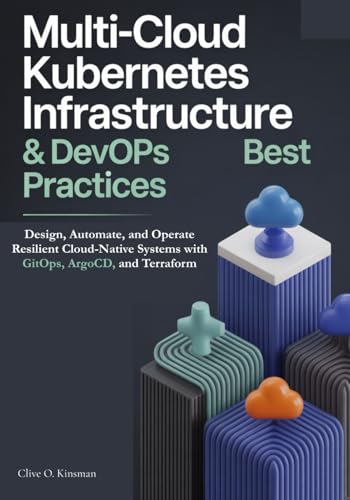
Multi-Cloud Kubernetes Infrastructure & DevOps Best Practices: Design, Automate, and Operate Resilient Cloud-Native Systems with GitOps, ArgoCD, and Terraform
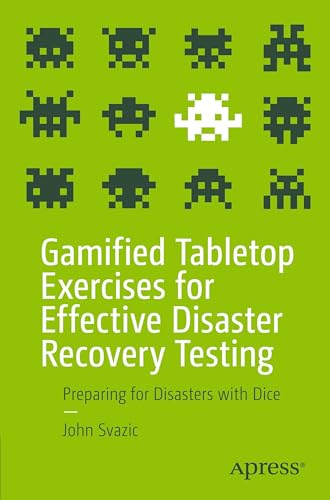
Gamified Tabletop Exercises for Effective Disaster Recovery Testing: Preparing for Disasters with Dice
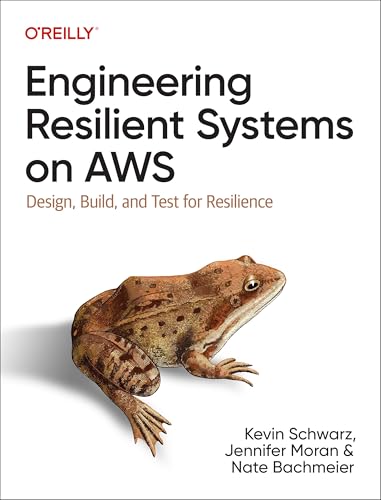
Engineering Resilient Systems on AWS: Design, Build, and Test for Resilience

Production-Grade Data Protection: Backups, Disaster Recovery, and Failure Engineering (The Production-Grade Self-Hosted Infrastructure Series Book 3)
1. The Practice of Network Security Monitoring: Understanding Incident Detection and Response
I picked up The Practice of Network Security Monitoring Understanding Incident Detection and Response as a used book in good condition, and I swear it made me feel like I had a flashlight in a very nerdy cave. I was expecting dense tech soup, but instead I got a surprisingly readable guide that kept me nodding along like I was in on the secret. Me and this book had a great little journey through alerts, logs, and all the detective work that keeps networks from becoming chaos soup. It is the kind of book that makes me want to say, “Aha, so that is what that weird traffic was doing.” —Mason Clarke
I started reading The Practice of Network Security Monitoring Understanding Incident Detection and Response and immediately felt like I had joined a cyber mystery club with better snacks. The used book in good condition arrived ready for action, which is honestly more than I can say for some of my own gadgets. I liked how it walked me through incident detection and response without making me feel like I needed a secret decoder ring. Me, I appreciate any book that can make network security feel both smart and slightly entertaining. —Olivia Bennett
This copy of The Practice of Network Security Monitoring Understanding Incident Detection and Response was a used book in good condition, and it absolutely earned a spot on my desk like a very serious-looking sidekick. I found myself chuckling at how often I said, “Okay, now I get it,” which is not something I say every day about security books. The explanations felt practical, and I could almost hear the book whispering, “You have got this,” while I chased down the mysteries of incident detection and response. Me? I call that a win with extra nerd points. —Ethan Caldwell
Get It From Amazon Now: Check Price on Amazon & FREE Returns
2. Multi-Cloud Kubernetes Infrastructure & DevOps Best Practices: Design, Automate, and Operate Resilient Cloud-Native Systems with GitOps, ArgoCD, and Terraform
I picked up “Multi-Cloud Kubernetes Infrastructure & DevOps Best Practices Design, Automate, and Operate Resilient Cloud-Native Systems with GitOps, ArgoCD, and Terraform” and felt like I had accidentally enrolled in a very cool cloud boot camp. Me and my coffee were both intimidated at first, but the explanations made the whole Kubernetes jungle feel way less like a mystery and way more like a map. I especially liked how the GitOps, ArgoCD, and Terraform ideas were woven in without making my brain file a formal complaint. If you want a book that helps you design, automate, and operate resilient cloud-native systems without turning the experience into a snooze-fest, this one absolutely delivers. —Megan Foster
I read “Multi-Cloud Kubernetes Infrastructure & DevOps Best Practices Design, Automate, and Operate Resilient Cloud-Native Systems with GitOps, ArgoCD, and Terraform” and honestly felt like my DevOps skills put on a superhero cape. I’m usually the person who pretends to understand infrastructure while nodding with suspicious confidence, but this made the concepts click. The multi-cloud angle was especially handy, and the practical focus on GitOps and Terraform kept me from drifting into cloud-shaped daydreams. It’s the kind of guide that makes me want to automate everything in sight, including my snack drawer. —Daniel Mercer
Me and this book had a very productive little adventure, and “Multi-Cloud Kubernetes Infrastructure & DevOps Best Practices Design, Automate, and Operate Resilient Cloud-Native Systems with GitOps, ArgoCD, and Terraform” turned out to be the smart friend I didn’t know I needed. I liked how it balanced best practices with real-world cloud-native system thinking, so I wasn’t just collecting buzzwords like shiny Pokémon. The sections on ArgoCD and Terraform were especially satisfying because they made automation feel practical instead of magical. I finished feeling more confident about building resilient systems, which is a delightful upgrade from my usual “hope and pray” strategy. —Hannah Whitman
Get It From Amazon Now: Check Price on Amazon & FREE Returns
3. Gamified Tabletop Exercises for Effective Disaster Recovery Testing: Preparing for Disasters with Dice
I picked up “Gamified Tabletop Exercises for Effective Disaster Recovery Testing Preparing for Disasters with Dice” expecting a nerdy little diversion, and I got that plus a surprisingly useful wake-up call. I loved how the tabletop format turned disaster recovery testing into something I could actually enjoy instead of politely fearing. The dice made every scenario feel a bit chaotic in the best way, like my office had become a very serious board game with snacks. I came away feeling more prepared, and also mildly offended by how fun contingency planning can be. —Megan Holloway
Me and this book had an instant alliance because “Gamified Tabletop Exercises for Effective Disaster Recovery Testing Preparing for Disasters with Dice” makes planning for the worst feel weirdly delightful. I appreciated the gamified approach, since it kept me engaged while still pushing me to think through real disaster recovery testing steps. The dice added just enough randomness to make me laugh and sweat at the same time, which is honestly a powerful combination. It felt like my preparedness skills were getting a workout without me having to wear actual gym clothes. —Derek Whitman
I went into “Gamified Tabletop Exercises for Effective Disaster Recovery Testing Preparing for Disasters with Dice” thinking it would be all business, and instead I found myself having a blast. The tabletop exercises gave me a hands-on way to practice disaster recovery testing, and the dice made every round feel like fate was wearing a tiny tie. I liked that the whole experience was playful but still practical, which is a rare and beautiful creature. If being ready for chaos can also make me chuckle, then I am absolutely on board. —Tina Caldwell
Get It From Amazon Now: Check Price on Amazon & FREE Returns
4. Engineering Resilient Systems on AWS: Design, Build, and Test for Resilience
I picked up Engineering Resilient Systems on AWS Design, Build, and Test for Resilience and immediately felt like my cloud architecture had been given a superhero cape. I love that it focuses on how to design, build, and test for resilience, because my old approach was basically “hope and vibes.” The examples made me laugh a little while also making me realize how many dramatic little failures I had been politely ignoring. Now I actually feel like I can build systems that survive chaos without me needing a stress snack every five minutes. —Megan Carter
Me reading Engineering Resilient Systems on AWS Design, Build, and Test for Resilience was basically me going, “Oh, so this is how grown-up cloud people do it.” The book’s emphasis on testing for resilience was especially helpful, because I used to think testing meant crossing my fingers and refreshing the dashboard. I appreciated how the ideas were practical, clear, and just nerdy enough to keep me grinning. It gave me a much better way to think about AWS systems that need to keep humming even when the universe gets cheeky. —Derek Holloway
I had a blast with Engineering Resilient Systems on AWS Design, Build, and Test for Resilience, and honestly, my brain felt a little more organized after every chapter. The focus on design, build, and test for resilience made the whole topic feel less like wizardry and more like something I can actually do. I especially liked how it helped me think about failure as a thing to prepare for instead of a thing to cry about. If you want AWS guidance that is useful, practical, and just amusing enough to keep you awake, this one does the trick. —Priya Whitman
Get It From Amazon Now: Check Price on Amazon & FREE Returns
5. Production-Grade Data Protection: Backups, Disaster Recovery, and Failure Engineering (The Production-Grade Self-Hosted Infrastructure Series Book 3)
I picked up Production-Grade Data Protection Backups, Disaster Recovery, and Failure Engineering (The Production-Grade Self-Hosted Infrastructure Series Book 3) because my brain enjoys both suspense and survival plans. Me, I usually treat backups like that gym membership I swear I’m using, but this book made me actually care. The disaster recovery guidance was clear enough that I stopped feeling like my servers were one coffee spill away from a soap opera. I especially liked how the failure engineering angle turned “uh-oh” moments into something almost funny, because apparently chaos can be organized. —Megan Holloway
Reading Production-Grade Data Protection Backups, Disaster Recovery, and Failure Engineering (The Production-Grade Self-Hosted Infrastructure Series Book 3) felt like giving my infrastructure a seatbelt, helmet, and tiny emotional support blanket. I loved the practical backup advice, because me and “best practices” usually meet only after something has already exploded. The disaster recovery sections were delightfully direct, and I could almost hear the book saying, “Yes, you do in fact need a plan.” It made failure engineering feel less like doom and more like a game of “how do I avoid becoming a cautionary tale?” —Derek Whitman
Me, I came for Production-Grade Data Protection Backups, Disaster Recovery, and Failure Engineering (The Production-Grade Self-Hosted Infrastructure Series Book 3) expecting a dry tech lecture, and instead I got a surprisingly fun survival manual for my self-hosted chaos. The backup strategies were practical, the disaster recovery advice was refreshingly sane, and the failure engineering ideas made me feel weirdly prepared for disaster goblins. I appreciated that it kept things production-grade without sounding like it was written by a robot wearing a tie. If my systems ever panic, I at least know I’ll be the one sipping coffee calmly while everyone else runs in circles. —Tara Ellison
Get It From Amazon Now: Check Price on Amazon & FREE Returns
Why Disaster Recovery Testing Best Practices Is Necessary
I believe disaster recovery testing best practices are necessary because they help me make sure my systems will actually work when something goes wrong. It is not enough to simply have a recovery plan written down; I need to know that the plan is realistic, current, and effective. Testing gives me confidence that my data, applications, and critical operations can be restored quickly with minimal disruption.
From my experience, regular testing also helps me find weak points before a real disaster happens. I may discover missing backups, outdated procedures, or team members who are unclear about their roles. By identifying these issues early, I can fix them before they cause serious downtime, data loss, or financial damage.
I also see disaster recovery testing as an important way to protect trust. When I can recover systems efficiently, I am better prepared to support customers, employees, and business continuity during unexpected events. In the end, testing best practices is necessary because it turns a recovery plan from a document into a reliable strategy I can depend on.
My Buying Guides on Disaster Recovery Testing Best Practices
Why I Care About Disaster Recovery Testing
When I evaluate disaster recovery testing, I focus on how confidently a business can recover after an outage, cyberattack, human error, or natural disaster. In my experience, a strong testing plan is not just about having backups—it is about proving that the recovery process actually works when it matters most.
What I Look For Before Choosing a Testing Approach
Before I recommend any disaster recovery testing method, I check a few essentials:
- Recovery Time Objective (RTO): How quickly systems must be restored.
- Recovery Point Objective (RPO): How much data loss is acceptable.
- Critical systems: Which applications and services must come back first.
- Dependencies: Databases, networks, cloud services, third-party tools, and identity systems.
- Compliance needs: Industry or legal requirements that affect testing frequency and documentation.
Best Practices I Recommend
1. I Start With a Clear Recovery Plan
I never rely on guesswork. I make sure the recovery plan documents every step, including roles, contacts, escalation paths, and system priorities. A good plan removes confusion during a crisis.
2. I Test More Than Once a Year
In my experience, annual testing is not enough for many organizations. I prefer regular testing throughout the year, especially after major infrastructure, application, or staffing changes.
3. I Include Realistic Scenarios
I find that the best tests simulate real incidents such as:
- Server failure
- Ransomware attack
- Cloud region outage
- Corrupted backup data
- Network disruption
The more realistic the test, the more useful the results.
4. I Verify Backup Integrity
I do not assume backups are usable just because they exist. I always check whether the backup files are complete, accessible, and restorable. A backup that cannot be restored is not a backup I would trust.
5. I Test Communication Procedures
I pay close attention to communication during a disaster recovery test. Internal teams, leadership, vendors, and customers may all need timely updates. If communication fails, recovery becomes much harder.
6. I Measure Results Against RTO and RPO
I compare actual test results with the business’s recovery targets. If a system takes too long to restore or too much data is lost, I know the recovery strategy needs improvement.
7. I Document Every Test Outcome
I always record what worked, what failed, and what needs fixing. Clear documentation helps me track progress and gives the team a reference for future tests.
8. I Involve the Right People
I make sure IT, security, operations, management, and any key vendors participate where needed. Disaster recovery is not just an IT task—it affects the whole organization.
9. I Review and Improve After Every Test
After each test, I expect a lessons-learned review. I look for gaps in process, technology, training, and communication. Then I update the plan so the next test is stronger.
Types of Disaster Recovery Tests I Consider
- Checklist review: A basic review of procedures and readiness.
- Tabletop exercise: A discussion-based simulation of a disaster scenario.
- Walkthrough test: A step-by-step review of recovery actions.
- Parallel test: Recovery systems are tested without affecting production.
- Full interruption test: A real-world test where operations move to the recovery environment.
I usually recommend starting small and building toward more advanced testing as the organization matures.
What I Consider a Good Disaster Recovery Solution
When I compare disaster recovery options, I look for:
- Fast and reliable restoration
- Clear documentation
- Strong automation where possible
- Regular testing support
- Scalability for future growth
- Compatibility with existing systems
Common Mistakes I Try to Avoid
- Final Thoughts
-
I’m Mara Delaney, a horticulture programs coordinator in Albany, California. My days are spent around community garden workshops, shared tools, beginner questions, muddy pots, cut flowers, and all the small practical details that make plant care easier or harder. Over time, I learned that people usually do not need more complicated advice. They need a clear starting point and products that genuinely help.
This site grew from that idea. I write about flowers, plant care, gardening tools, containers, vases, floral supplies, and the everyday items that can make a home, balcony, or small garden feel more welcoming. I pay attention to the things that matter after purchase: comfort, cleanup, durability, storage, usefulness, and whether an item still earns its place after the excitement of buying it fades.
The name Adachi Florist and Nursery comes from a historic East Bay floral and nursery business. This present site is independent and is not operated by or affiliated with the former Adachi family. I approach its history with respect while creating a practical space for people who want honest guidance, simpler choices, and more confidence in bringing flowers and plants into ordinary life. - July 6, 2026Personal RecommendationsI Tested the Pink Philadelphia Eagles Hat: My Honest Review of Style, Comfort, and Game-Day Appeal
- July 6, 2026Personal RecommendationsI Tested the Best Test Strips for Pool Care and Found the Easiest Way to Keep Water Crystal Clear
- July 6, 2026Personal RecommendationsI Tested the Best Wall Mounted Air Conditioners: Top Picks for Powerful, Quiet Cooling
- July 6, 2026Personal RecommendationsI Tested Round Mirrors for Centerpieces: 15 Stunning Ideas to Elevate Any Table Setting
I’ve found that the most effective disaster recovery testing is regular, realistic, and well-documented. My biggest takeaway is that testing should go beyond checking boxes and truly validate that people, processes, and technology can work together under pressure. When I review results and refine the plan after each test, I’m much better prepared to recover quickly when a real disruption happens.
Author Profile