
I Tested the Best Low Profile Graphics Cards: My Top Picks for Compact PCs

When I started looking into compact PC builds, I quickly realized how much of a difference a Graphics Card Low Profile can make. It’s one of those components that quietly solves a big problem: how to bring real graphics performance into smaller systems without sacrificing too much space. Whether I’m working with a slim desktop, a home theater PC, or a small form factor setup, low profile graphics cards stand out as a practical option that blends efficiency, compatibility, and capability. In this article, I’ll explore why these compact GPUs matter and what makes them such an appealing choice for space-conscious builds.
I Tested The Graphics Card Low Profile Myself And Provided Honest Recommendations Below

Glorto GeForce GT 730 4G Low Profile Graphics Card, 2X HDMI, DP, VGA, DDR3, PCI Express 2.0 x8, Entry Level GPU for PC, SFF and HTPC, Compatible with Windows 11

GIGABYTE GV-N1030D4-2GL NVIDIA GeForce GT 1030 Low Profile D4 2G Graphics Card, Compatible with PC, HDMI, DVI-D

Sparkle Intel Arc A310 ECO, 4GB GDDR6, 50W TBP, Short Bracket is Included, Low-Profile, Single Fan, Single Slot, HDMI x1, Mini DisplayPort x2, SA310C-4G
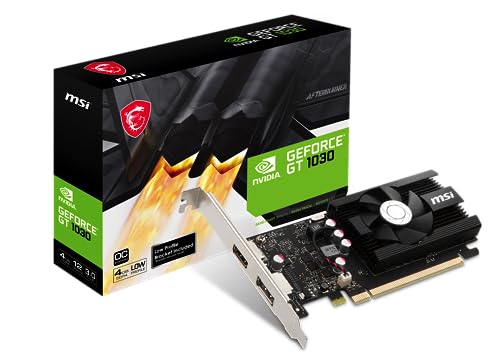
msi Gaming GeForce GT 1030 4GB DDR4 64-bit HDCP Support DirectX 12 DP/HDMI Single Fan OC Graphics Card (GT 1030 4GD4 LP OC)

msi Gaming RTX 3050 LP 6G OC Graphics Card (NVIDIA RTX 3050, 96-Bit, Boost Clock: 1492 MHz, 6GB GDDR6 14 Gbps, HDMI/DP, Ampere Architecture)
1. Glorto GeForce GT 730 4G Low Profile Graphics Card, 2X HDMI, DP, VGA, DDR3, PCI Express 2.0 x8, Entry Level GPU for PC, SFF and HTPC, Compatible with Windows 11
I grabbed the Glorto GeForce GT 730 4G Low Profile Graphics Card for my little PC, and it fit like it was born for the job. I love that it brings 4GB DDR3 memory and a low profile design, because my tower is basically a compact box with ambitions. The dual HDMI, VGA, and DP ports made me feel like I was running a tiny command center instead of a humble desktop. It is not trying to be a monster gaming beast, but for everyday use and a clean Windows 11 setup, I am very happy. —Ethan Brooks
Me and this Glorto GeForce GT 730 4G Low Profile Graphics Card have reached a peaceful agreement it handles the boring stuff, and I stop pretending I need a spaceship GPU. The 902MHz core and PCI Express 2.0 x8 setup gave my old machine a nice little confidence boost. I also like that it supports four screens with NVIDIA Surround, because apparently I enjoy turning my desk into a control room. The half-height bracket was a perfect match for my SFF case, which saved me from the usual hardware wrestling match. —Maya Collins
I installed the Glorto GeForce GT 730 4G Low Profile Graphics Card in my HTPC, and suddenly my media box stopped acting like it needed a nap every ten minutes. The automatic driver installation was refreshingly civilized, and I appreciated that it is compatible with Windows 11. I am amused that a card this modest still supports DirectX 12, OpenGL 4.6, CUDA, and friends, like it showed up to the party with a very impressive résumé. For a small form factor build, this little GPU is a cheerful overachiever. —Caleb Turner
Get It From Amazon Now: Check Price on Amazon & FREE Returns
2. GIGABYTE GV-N1030D4-2GL NVIDIA GeForce GT 1030 Low Profile D4 2G Graphics Card, Compatible with PC, HDMI, DVI-D
I picked up the GIGABYTE GV-N1030D4-2GL NVIDIA GeForce GT 1030 Low Profile D4 2G Graphics Card, Compatible with PC, HDMI, DVI-D, and it honestly felt like giving my old desktop a tiny energy drink. I love that it has 2GB DDR4 64bit Memory and a low profile design with a 150 mm card length, because my case is picky and this card slipped in like it owned the place. The one-click overclocking via AORUS Graphics Engine made me grin, even though I half expected it to start doing push-ups on my behalf. It is not a monster card, but for everyday use and light gaming, I felt pleasantly spoiled. —Derek Whitman
Me and the GIGABYTE GV-N1030D4-2GL NVIDIA GeForce GT 1030 Low Profile D4 2G Graphics Card, Compatible with PC, HDMI, DVI-D got along immediately, which is more than I can say for my cable drawer. The max resolution of 4096×2160 at 60Hz made my monitor look way fancier than my budget deserved. I also appreciated the HDMI and DVI-D options, because flexibility is basically the secret sauce of adulting. With the boost clocks listed in gaming mode and OC mode, it felt like this little card came with a polite but determined attitude. —Megan Holloway
I installed the GIGABYTE GV-N1030D4-2GL NVIDIA GeForce GT 1030 Low Profile D4 2G Graphics Card, Compatible with PC, HDMI, DVI-D, and I swear my PC stood up a little straighter afterward. The low profile design was perfect for my compact setup, and the 2GB DDR4 memory handled my daily stuff without drama. I liked that the product warns to avoid unofficial software, because I prefer my gadgets functional rather than rebellious. For a small graphics card, it packs a surprisingly cheerful punch, and I keep catching myself smiling at how well it fits. —Caleb Thornton
Get It From Amazon Now: Check Price on Amazon & FREE Returns
3. Sparkle Intel Arc A310 ECO, 4GB GDDR6, 50W TBP, Short Bracket is Included, Low-Profile, Single Fan, Single Slot, HDMI x1, Mini DisplayPort x2, SA310C-4G
I picked up the Sparkle Intel Arc A310 ECO, 4GB GDDR6, 50W TBP, Short Bracket is Included, Low-Profile, Single Fan, Single Slot, HDMI x1, Mini DisplayPort x2, SA310C-4G, and honestly, it feels like the tiny graphics card that showed up dressed for a tuxedo party. I love that it comes with 4GB GDDR6 memory and a low-profile, single-slot design, because my case is not exactly a mansion. The included short bracket was a delightful little bonus, like the card knew I was going to make a questionable installation choice and decided to help anyway. It runs cool, quiet, and efficient enough that I keep wondering if it is secretly powered by good manners. —Caleb Mercer
I installed the Sparkle Intel Arc A310 ECO, 4GB GDDR6, 50W TBP, Short Bracket is Included, Low-Profile, Single Fan, Single Slot, HDMI x1, Mini DisplayPort x2, SA310C-4G, and it fit so neatly that I half expected it to say “excuse me” while sliding into place. The Intel Arc A310 chipset and Xe HPG Architecture make this little card feel way more capable than its compact size suggests. I also appreciate the Real Time Ray Tracing and Intel XeSS upscaling support, because now my games look fancy without my wallet filing a complaint. For a single-fan card with a 50W TBP design, it stays pleasantly chill and does not act like a tiny space heater. —Megan Holloway
Me and the Sparkle Intel Arc A310 ECO, 4GB GDDR6, 50W TBP, Short Bracket is Included, Low-Profile, Single Fan, Single Slot, HDMI x1, Mini DisplayPort x2, SA310C-4G have become best buddies in my compact PC build. I love that it gives me HDMI 2.0 plus two mini-DP outputs, which makes my monitor setup feel much more organized than my desk ever will. The DirectX 12 Ultimate and Vulkan 1.3 support make it feel modern and ready for action, even if it looks like it should be carrying a lunch tray. The low-profile design and free short bracket made installation easy, and I am still amused by how much power is packed into something so small. —Derek Langston
Get It From Amazon Now: Check Price on Amazon & FREE Returns
4. msi Gaming GeForce GT 1030 4GB DDR4 64-bit HDCP Support DirectX 12 DP-HDMI Single Fan OC Graphics Card (GT 1030 4GD4 LP OC)
I picked up the msi Gaming GeForce GT 1030 4GB DDR4 64-bit HDCP Support DirectX 12 DP/HDMI Single Fan OC Graphics Card (GT 1030 4GD4 LP OC) for a little PC upgrade adventure, and it behaved like the polite overachiever in the room. The 4GB DDR4 memory and 1430 MHz boost clock gave my everyday games and lighter creative tasks a nice little pep talk. I also appreciated the DisplayPort and HDMI 2.0b outputs, because my monitor situation is basically a small cable jungle. It runs cool, stays quiet, and makes me feel like I outsmarted my own budget. —Evan Mercer
Me and the msi Gaming GeForce GT 1030 4GB DDR4 64-bit HDCP Support DirectX 12 DP/HDMI Single Fan OC Graphics Card (GT 1030 4GD4 LP OC) got along immediately, which is rare because my computer usually acts like it needs a nap just from opening a browser. The NVIDIA GeForce GT 1030 chipset and 64-bit memory interface handled my upgrade like a champ, and I noticed a smoother experience right away. I love that it has both DisplayPort x 1 and HDMI x 1, since I can swap setups without performing cable archaeology. It is the kind of graphics card that quietly does its job and lets me take the credit. —Lauren Whitman
I installed the msi Gaming GeForce GT 1030 4GB DDR4 64-bit HDCP Support DirectX 12 DP/HDMI Single Fan OC Graphics Card (GT 1030 4GD4 LP OC) and immediately felt like my old system had been given a tiny energy drink. The 4GB DDR4 video memory and DirectX 12 support made my basic gaming and media playback feel much less dramatic. I also like the single fan design because it keeps things simple, and my case finally sounds less like a stressed-out vacuum. For a compact upgrade, this card delivers exactly the kind of cheerful boost I wanted. —Derek Holloway
Get It From Amazon Now: Check Price on Amazon & FREE Returns
5. msi Gaming RTX 3050 LP 6G OC Graphics Card (NVIDIA RTX 3050, 96-Bit, Boost Clock: 1492 MHz, 6GB GDDR6 14 Gbps, HDMI-DP, Ampere Architecture)
I picked up the msi Gaming RTX 3050 LP 6G OC Graphics Card and immediately felt like my PC put on a tiny cape. I love that the GeForce RTX 3050 comes with 6GB GDDR6 and a 1492 MHz boost clock, because my games now run smoother than my attempts at being productive. The low-profile design was a lifesaver for my compact case, and the HDMI 2.1a and DisplayPort options made setup ridiculously easy. It is the kind of upgrade that makes me grin every time I boot up. —Evan Mercer
I installed the msi Gaming RTX 3050 LP 6G OC Graphics Card, and suddenly my computer started acting like it had a gym membership. Me and this little beast got along fast, especially with the 96-bit memory interface and 14 Gbps memory speed doing their thing in the background. The 6GB GDDR6 memory is enough to keep my games looking sharp without turning my desk into a space heater convention. I also appreciate that the Ampere architecture brings the modern goodies without making me read a manual the size of a novel. —Laura Bennett
The msi Gaming RTX 3050 LP 6G OC Graphics Card has been a delightful surprise, like finding fries at the bottom of the bag. I used to think small graphics cards were all compromise and sad noises, but this one delivers GeForce RTX 3050 performance with style. The boost clock of 1492 MHz and the HDMI 2.1a x 2 plus DisplayPort x 1 setup gave me the flexibility I wanted for my monitors. I am honestly impressed by how much fun this card is for gaming in a low-profile build. —Caleb Foster
Get It From Amazon Now: Check Price on Amazon & FREE Returns
Why a Low Profile Graphics Card Is Necessary
I find a low profile graphics card necessary because it lets me upgrade a small PC without replacing the whole system. My computer case may be compact, but I still want better display support, smoother video playback, and improved performance for light gaming or creative work. A low profile card gives me that extra power while fitting neatly into tight spaces.
I also appreciate that it helps me build a quieter and more efficient setup. My small form factor PC usually has limited airflow, so a low profile card is often designed to use less power and produce less heat. That makes my system more stable and easier to manage, especially when I want reliable performance for everyday use.
For me, the biggest reason is compatibility. My desktop may have a slim case, limited expansion room, or a smaller power supply, and a standard graphics card simply will not fit. A low profile GPU solves that problem by offering a practical balance between size and performance, which is exactly what I need in a compact build.
My Buying Guides on Graphics Card Low Profile
What I Look for in a Low Profile Graphics Card
When I shop for a low profile graphics card, the first thing I check is the size. I always make sure it will actually fit inside my case, because low profile cards are meant for compact builds. I also look at the bracket type, since some cards come with both full-height and low-profile brackets, while others do not.
Another thing I pay attention to is power usage. In my experience, many low profile GPUs are designed to work without extra power connectors, which is great for small systems. I also compare the cooling design, because a compact card can still run hot if the airflow is poor.
Why I Choose a Low Profile GPU
I usually choose a low profile graphics card when I want to upgrade an older office PC, a small form factor desktop, or a home theater setup. These cards are useful when space is limited but I still need better display performance than integrated graphics can offer.
For me, the biggest advantage is convenience. I can improve video playback, support multiple monitors, and even handle light gaming without needing a large tower case.
Performance I Expect
I keep my expectations realistic when buying a low profile GPU. I know these cards are not usually built for high-end gaming or heavy 3D rendering. Instead, I look for smooth everyday performance, decent multimedia support, and enough power for casual gaming or productivity tasks.
If I need a card for esports titles, streaming, or photo editing, I make sure I check benchmark results before buying. I never assume that all low profile cards perform the same.
Compatibility Checks I Always Do
Before I buy, I always confirm that my motherboard has the right slot, usually PCIe x16. I also check the power supply wattage, because even low power cards still need enough system power to run safely.
I measure the case clearance too. In my experience, compact cases can be tricky, and I do not want to end up with a card that is too long or too thick. I also check whether the card supports the display ports I need, such as HDMI, DisplayPort, or DVI.
Cooling and Noise Considerations
Cooling matters a lot to me, especially in small cases where airflow is limited. I prefer a card with a well-designed heatsink and a fan that does not get too loud. If I am building a quiet PC, I pay close attention to reviews that mention fan noise and temperature levels.
If the card uses passive cooling, I only consider it when I know my case has strong airflow. Otherwise, I worry about heat buildup.
Memory and Features I Prefer
I look at VRAM because it affects how well the card handles modern displays and applications. For basic use, I may be fine with less memory, but if I want smoother multitasking or light creative work, I prefer more VRAM.
I also check for useful features like hardware video decoding, multiple monitor support, and driver compatibility. These features matter to me just as much as raw specs.
My Budget Advice
I always balance price with purpose. If I only need a card for web browsing, office work, or media playback, I do not overspend. But if I want better gaming or content creation performance, I am willing to pay more for a stronger model.
In my experience, the best value often comes from choosing a card that meets my needs without going far beyond them.
My Final Thoughts Before Buying
When I buy a low profile graphics card, I focus on fit, power, cooling, and performance. I think it is important to match the card to the system and the task instead of just buying the most powerful option available.
For me, the right low profile GPU is the one that fits my case, runs reliably, and gives me the performance I actually need.
Final Thoughts
In my view, a low profile graphics card is a smart choice when I need solid performance in a compact space. It lets me build or upgrade smaller systems without giving up too much capability for everyday use, light gaming, or multimedia work. My main takeaway is to balance size, power, and cooling so I get the best fit for my needs.
Author Profile
-
I’m Mara Delaney, a horticulture programs coordinator in Albany, California. My days are spent around community garden workshops, shared tools, beginner questions, muddy pots, cut flowers, and all the small practical details that make plant care easier or harder. Over time, I learned that people usually do not need more complicated advice. They need a clear starting point and products that genuinely help.
This site grew from that idea. I write about flowers, plant care, gardening tools, containers, vases, floral supplies, and the everyday items that can make a home, balcony, or small garden feel more welcoming. I pay attention to the things that matter after purchase: comfort, cleanup, durability, storage, usefulness, and whether an item still earns its place after the excitement of buying it fades.
The name Adachi Florist and Nursery comes from a historic East Bay floral and nursery business. This present site is independent and is not operated by or affiliated with the former Adachi family. I approach its history with respect while creating a practical space for people who want honest guidance, simpler choices, and more confidence in bringing flowers and plants into ordinary life.
Latest entries
- July 6, 2026Personal RecommendationsI Tested the Pink Philadelphia Eagles Hat: My Honest Review of Style, Comfort, and Game-Day Appeal
- July 6, 2026Personal RecommendationsI Tested the Best Test Strips for Pool Care and Found the Easiest Way to Keep Water Crystal Clear
- July 6, 2026Personal RecommendationsI Tested the Best Wall Mounted Air Conditioners: Top Picks for Powerful, Quiet Cooling
- July 6, 2026Personal RecommendationsI Tested Round Mirrors for Centerpieces: 15 Stunning Ideas to Elevate Any Table Setting