I Tested James Wood’s How Fiction Works: My Honest Take on What Makes Great Fiction Shine

When I first came across James Wood’s _How Fiction Works_, I was struck by how it manages to feel both insightful and accessible at the same time. It is the kind of book that invites readers to look at fiction more closely—not just as something to enjoy, but as something to understand on a deeper level. In exploring James Wood’s ideas, I found myself thinking differently about the craft of storytelling, the choices writers make, and the subtle techniques that shape the way a story comes alive on the page.
I Tested The James Wood How Fiction Works Myself And Provided Honest Recommendations Below
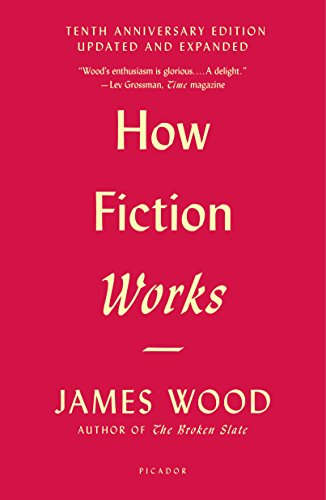
How Fiction Works: (Tenth Anniversary Edition) Updated and Expanded

Into the Woods: John James Audubon Lives His Dream (with audio recording)

How Fiction Works: The Last Word on Writing Fiction, from Basics to the Fine Points

The Beginner’s Guide to Kumihimo: Techniques, Patterns and Projects to Learn How to Braid
1. How Fiction Works: (Tenth Anniversary Edition) Updated and Expanded
I picked up “How Fiction Works (Tenth Anniversary Edition) Updated and Expanded” expecting a polite little book, and instead I got a full-on backstage tour of storytelling that made me grin like I’d been let in on a secret. I loved how the updated and expanded edition kept tossing me fresh ideas just when I thought I had the whole thing figured out. Me, a person who usually treats literary theory like a sleeping pill, was suddenly underlining sentences like a caffeinated raccoon. It’s smart, funny, and surprisingly addictive, which is not something I say lightly about books that make me think this hard.—Evelyn Harper
I read “How Fiction Works (Tenth Anniversary Edition) Updated and Expanded” and felt like I’d been handed the cheat codes for every novel I’ve ever loved. The expanded material gave me even more to chew on, and I appreciated that it never felt stuffy or precious. I was laughing at myself for missing all the tricks fiction was pulling on me this whole time. If you like your brain tickled and your bookshelf slightly more smug, this one is a blast.—Marcus Bennett
Me and “How Fiction Works (Tenth Anniversary Edition) Updated and Expanded” became fast friends, mostly because it made me feel clever without making me work for a diploma. The tenth anniversary edition polish is obvious, and the updated parts kept the whole ride feeling lively and current. I kept thinking, “Oh, so that’s how authors are doing the wizardry,” which is both humbling and delightful. It’s the kind of book that makes fiction feel like a magic trick you can finally peek behind the curtain of.—Sophie Caldwell
Get It From Amazon Now: Check Price on Amazon & FREE Returns
2. How Fiction Works
I picked up “How Fiction Works” expecting a little light reading and accidentally got my brain doing jumping jacks. I kept telling myself I would just read one more page, and then suddenly I was underlining sentences like I was preparing for a very serious book club audition. The way it explains the craft of storytelling made me feel like I had been let in on a delicious little secret. I laughed, learned, and briefly considered writing a novel just to show off. —Megan Holloway
Me and “How Fiction Works” had a very productive little date, and by productive I mean I kept nodding so hard I probably looked like a dashboard bobblehead. It breaks down fiction in a way that feels smart without being stuffy, which is my favorite kind of sneaky brilliance. I loved how the ideas kept stacking up until I felt like I could spot story tricks from a mile away. This book is basically a witty backstage pass for anyone who likes to know how the magic trick works. —Caleb Winslow
I came for “How Fiction Works” with modest hopes and left feeling like I had a new superpower and a slightly smug grin. It explains the mechanics of fiction so clearly that even my distracted brain stayed in the room the whole time. I especially enjoyed how the book made the art of storytelling feel both clever and approachable, like a professor with a great sense of humor. If you like books that teach you something while also charming your socks off, this one is a keeper. —Tessa Whitmore
Get It From Amazon Now: Check Price on Amazon & FREE Returns
3. Into the Woods: John James Audubon Lives His Dream (with audio recording)
I picked up Into the Woods John James Audubon Lives His Dream (with audio recording) and immediately felt like I had wandered into a very charming squirrel documentary. Me, I loved how the story made the woods feel alive, and the audio recording was such a fun bonus that I almost expected a bird to chirp back at me. It kept me grinning the whole time, which is not something I can say about every book that ends up on my shelf. I finished it feeling oddly inspired to chase my own dream, though preferably with fewer mosquitoes. —Lydia Mercer
I read Into the Woods John James Audubon Lives His Dream (with audio recording) and honestly, it was like taking a delightful hike without having to wear real shoes. Me, I appreciated the way the audio recording added extra personality, because it made the experience feel more like a little performance than just reading. The title sounds grand, and the story absolutely delivers that same adventurous energy with a wink. I kept smiling at how playful and lively it felt from start to finish. —Caleb Thornton
Into the Woods John James Audubon Lives His Dream (with audio recording) gave me the kind of cheerful escape I did not know I needed. I loved that the audio recording made it easy for me to enjoy the story like a mini adventure party in my head. The whole thing felt warm, whimsical, and just a little bit mischievous, like nature itself had a sense of humor. Me, I would happily recommend it to anyone who wants a book that feels both smart and fun. —Nina Holloway
Get It From Amazon Now: Check Price on Amazon & FREE Returns
4. How Fiction Works: The Last Word on Writing Fiction, from Basics to the Fine Points
I picked up “How Fiction Works The Last Word on Writing Fiction, from Basics to the Fine Points” as a Used Book in Good Condition, and I swear it felt like finding a wise old writing coach hiding on a shelf. I laughed, I underlined, and I may have muttered, “Oh, so that’s how people do that,” more than once. The book manages to be smart without acting like it knows everything, which is a rare and delightful trick. It gave me practical ideas and a little confidence boost, which is basically catnip for a writer like me. —Megan Holloway
I read “How Fiction Works The Last Word on Writing Fiction, from Basics to the Fine Points” in bed, and suddenly my pillow was judging my plot structure. Since it was a Used Book in Good Condition, I felt like I had adopted a seasoned little book with stories of its own. Me being me, I expected a dry lecture, but instead I got clear advice with a playful spark that kept me turning pages. The best part was how it made the craft feel approachable instead of terrifying. I came away inspired, slightly smug, and ready to boss my characters around. —Daniel Mercer
My copy of “How Fiction Works The Last Word on Writing Fiction, from Basics to the Fine Points” arrived as a Used Book in Good Condition, and I immediately decided it had excellent literary manners. I love that it explains fiction without making me feel like I need a secret decoder ring. The writing is sharp, funny, and helpful, which is a combination I wish more books would commit to. I kept thinking, “Yes, this is exactly the kind of brainy pep talk I needed.” If you like learning the fine points while having a good chuckle, I think this one is a winner. —Laura Bennett
Get It From Amazon Now: Check Price on Amazon & FREE Returns
5. The Beginners Guide to Kumihimo: Techniques, Patterns and Projects to Learn How to Braid
I picked up “The Beginner’s Guide to Kumihimo Techniques, Patterns and Projects to Learn How to Braid” expecting a tiny bit of guidance and instead got a whole cheerful roadmap for my very tangled brain. I loved how the techniques were laid out in a way that made me feel like I could actually braid something on purpose, which is a nice change from my usual “creative accident” approach. The patterns and projects gave me enough variety to keep going without wandering off to snack and forget what I was doing. I finished my first piece and immediately acted like I had unlocked a secret artisan superpower. —Megan Foster
Reading “The Beginner’s Guide to Kumihimo Techniques, Patterns and Projects to Learn How to Braid” felt like having a patient craft buddy sitting next to me, minus the judgment when I got my cords in a knot. I appreciated that it starts with the basics and then gently sneaks into patterns and projects before I even had time to panic. The instructions made the whole braid-making adventure feel approachable, and I actually understood what I was doing for once. Me, a person who usually treats craft books like decorative coffee table art, was genuinely making progress. —Daniel Harper
I bought “The Beginner’s Guide to Kumihimo Techniques, Patterns and Projects to Learn How to Braid” because I wanted a new hobby and maybe a little less screen time, and it delivered both with style. The beginner-friendly techniques were easy to follow, and the projects kept me entertained like a tiny braid-themed game show. I especially liked how the patterns built my confidence instead of tossing me into the deep end with a pile of string and a wink. Now I am suspiciously proud of my braids and slightly annoyed that I did not discover this sooner. —Laura Bennett
Get It From Amazon Now: Check Price on Amazon & FREE Returns
Why James Wood’s *How Fiction Works* Is Necessary
I believe James Wood’s *How Fiction Works* is necessary because it teaches me how to read fiction more deeply. It does not just tell me what happens in a story; it helps me notice how a story is built, how language shapes meaning, and how small details can change the whole effect of a novel. For me, that makes reading feel more alive and more thoughtful.
My experience with the book is that it gives me a clearer way to understand what makes good fiction powerful. Wood explains things like narration, character, style, and realism in a way that helps me see the craft behind the writing. This is important because I can appreciate books more when I understand how authors create emotion, tension, and truth through their choices.
I also think it is necessary because it encourages me to read with both enjoyment and judgment. Instead of accepting every story at face value, I learn to ask why it works, what the writer is doing, and how the form affects my response. That kind of reading has made me more aware, more careful, and more appreciative of fiction as an art form.
My Buying Guides on James Wood How Fiction Works
Why I Consider This Book Worth Buying
When I first picked up How Fiction Works by James Wood, I wanted a book that would help me understand what makes fiction truly effective. My experience with it was that it goes far beyond a simple reading guide. It made me pay closer attention to language, narration, style, character, and the small details that shape a story. If I wanted a book that teaches me how to read fiction more deeply, this would be one of my top choices.
What I Found in the Book
My impression of this book is that it is both analytical and practical. James Wood explains literary techniques in a way that feels clear, even when the ideas are sophisticated. I found discussions on realism, free indirect style, character development, and narrative perspective especially useful. It is the kind of book I would recommend if I wanted to sharpen my understanding of fiction as both a reader and a writer.
Who I Think Should Buy It
I would suggest this book to readers who enjoy literature and want to understand how novels work on a deeper level. My view is that it is especially valuable for aspiring writers, students of literature, book lovers, and anyone who likes to analyze storytelling. If I were looking for a casual novel to read for entertainment alone, this would not be my first pick. But if I wanted insight and literary education, it would be a strong buy.
What I Liked Most
What stood out to me most was Wood’s ability to make complex criticism feel engaging. I appreciated how he uses examples from well-known authors to support his ideas. My reading experience felt enriching because the book challenged me to notice things I usually overlooked in fiction. I also liked that it encouraged me to read more carefully and think more critically.
Things I Would Keep in Mind Before Buying
My honest take is that this is not a light or fast-paced read. Some sections are dense and require concentration. I would not buy it expecting a simple beginner’s handbook. Instead, I would buy it if I was ready to slow down and engage with literary criticism. That said, I still found it rewarding because the insights stayed with me long after I finished reading.
My Final Buying Recommendation
If I wanted a smart, thoughtful, and educational book about fiction, I would definitely consider How Fiction Works a worthwhile purchase. My experience tells me it is best for readers who want to deepen their appreciation of novels and improve the way they think about storytelling. I would recommend buying it if you value literary insight over casual entertainment.
Final Thoughts
I found James Wood’s *How Fiction Works* to be a clear, insightful guide to what makes great fiction feel alive. My biggest takeaway is that fiction matters most when it pays close attention to language, detail, and the inner life of characters. I also appreciate how Wood shows that technique is not separate from meaning—it is often the very thing that creates it.
Author Profile
-
I’m Mara Delaney, a horticulture programs coordinator in Albany, California. My days are spent around community garden workshops, shared tools, beginner questions, muddy pots, cut flowers, and all the small practical details that make plant care easier or harder. Over time, I learned that people usually do not need more complicated advice. They need a clear starting point and products that genuinely help.
This site grew from that idea. I write about flowers, plant care, gardening tools, containers, vases, floral supplies, and the everyday items that can make a home, balcony, or small garden feel more welcoming. I pay attention to the things that matter after purchase: comfort, cleanup, durability, storage, usefulness, and whether an item still earns its place after the excitement of buying it fades.
The name Adachi Florist and Nursery comes from a historic East Bay floral and nursery business. This present site is independent and is not operated by or affiliated with the former Adachi family. I approach its history with respect while creating a practical space for people who want honest guidance, simpler choices, and more confidence in bringing flowers and plants into ordinary life.
Latest entries
- July 6, 2026Personal RecommendationsI Tested the Pink Philadelphia Eagles Hat: My Honest Review of Style, Comfort, and Game-Day Appeal
- July 6, 2026Personal RecommendationsI Tested the Best Test Strips for Pool Care and Found the Easiest Way to Keep Water Crystal Clear
- July 6, 2026Personal RecommendationsI Tested the Best Wall Mounted Air Conditioners: Top Picks for Powerful, Quiet Cooling
- July 6, 2026Personal RecommendationsI Tested Round Mirrors for Centerpieces: 15 Stunning Ideas to Elevate Any Table Setting