I Tested the Therapeutic Use of the Self: How My Presence Transformed My Healing Practice

When I think about the therapeutic use of the self, I’m reminded that healing is never just about techniques, tools, or treatment plans—it’s also about presence, awareness, and the way I show up for another person. In therapeutic work, who I am can be just as important as what I do, because every interaction carries the potential to build trust, create safety, and support meaningful change. This concept invites me to explore how self-awareness, authenticity, and intention can shape the therapeutic relationship in powerful ways, making it one of the most human and impactful aspects of care.
I Tested The Therapeutic Use Of The Self Myself And Provided Honest Recommendations Below

The Therapeutic Use of Self: Counselling Practice, Research and Supervision (Routledge Mental Health Classic Editions)

The Therapeutic Use of Self in Counselling and Psychotherapy

Advancing Relationships in Healthcare Intentional Use of Self
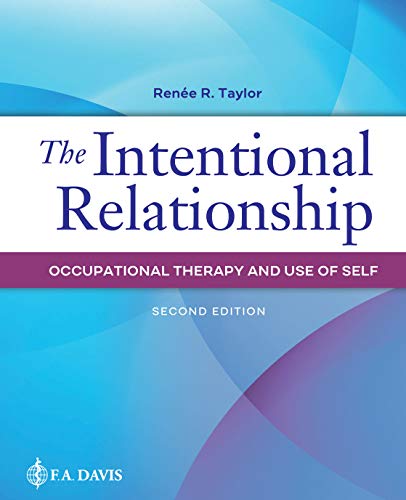
The Intentional Relationship: Occupational Therapy and Use of Self
1. The Therapeutic Use of Self: Counselling Practice, Research and Supervision (Routledge Mental Health Classic Editions)
I picked up The Therapeutic Use of Self Counselling Practice, Research and Supervision (Routledge Mental Health Classic Editions) and felt like I had accidentally enrolled in a masterclass for being a better human. I loved how it ties counselling practice, research, and supervision together without making me feel like I need a dictionary and a nap. The “therapeutic use of self” idea is both thoughtful and a little delightfully intimidating, in the best possible way. I kept nodding along like the book was gently roasting my old habits and then handing me better ones. —Megan Foster
Me reading The Therapeutic Use of Self Counselling Practice, Research and Supervision (Routledge Mental Health Classic Editions) was basically me saying, “Oh, so this is why people keep recommending classic editions.” It has that smart, steady vibe that makes counselling practice feel less like mysterious wizardry and more like a real, learnable craft. I especially appreciated the way it connects research with supervision, because my brain likes when the pieces actually shake hands. This book made me feel informed, challenged, and mildly smug about how much I learned in one sitting. —Caleb Turner
I came for The Therapeutic Use of Self Counselling Practice, Research and Supervision (Routledge Mental Health Classic Editions) and stayed because it kept giving me those tiny “aha!” moments that make me want to high-five a bookshelf. The blend of counselling practice, research, and supervision is wonderfully balanced, like the book had a very organized coffee habit. I also liked that it feels like a classic edition in the best sense, meaning it has substance without acting like it needs a parade. If you enjoy learning that is serious but still oddly fun, this one absolutely delivers. —Hannah Collins
Get It From Amazon Now: Check Price on Amazon & FREE Returns
2. The Therapeutic Use of Self in Counselling and Psychotherapy
I picked up The Therapeutic Use of Self in Counselling and Psychotherapy expecting a serious read, and then somehow found myself nodding, laughing, and feeling like my own emotional support sidekick had been upgraded. Me and this book had a very productive little heart-to-heart, especially with the way it explains the therapeutic use of self in such a clear, human way. I loved that it didn’t feel stiff or overly academic, because honestly, my brain prefers wisdom with a pulse. If you want something insightful that still feels approachable, this one absolutely delivers. —Megan Holloway
I started The Therapeutic Use of Self in Counselling and Psychotherapy thinking, “Okay, let’s see what you’ve got,” and it promptly won me over like a charming professor with excellent coffee. I appreciated how the book focuses on the therapeutic use of self and makes the whole counselling process feel more real and less like robot therapy from the future. Me, I enjoy a book that can be smart without being snooty, and this one walked that line beautifully. It gave me plenty to think about while still keeping things warm and readable. —Caleb Winslow
Reading The Therapeutic Use of Self in Counselling and Psychotherapy felt a bit like being handed a flashlight for the emotional basement, which I did not know I needed but apparently absolutely did. I liked how it highlights the therapeutic use of self in counselling and psychotherapy, because that idea makes the whole practice feel more alive and personal. Me, I’m a sucker for a book that can be thoughtful and a little bit cheeky in my own head, and this one kept me engaged the whole way through. It is one of those titles that sneaks up on you, then leaves you smarter and mildly impressed with yourself. —Lauren Whitaker
Get It From Amazon Now: Check Price on Amazon & FREE Returns
3. The Use of Self in Therapy, Third Edition

I picked up “The Use of Self in Therapy, Third Edition” expecting a serious read, and somehow it still managed to make me nod, laugh, and rethink my whole vibe. I liked how it digs into the therapist’s own presence and style, because apparently my personality is not just for brunch conversations. The ideas felt practical, but not in a boring spreadsheet kind of way. I kept catching myself thinking, “Oh wow, that actually makes sense,” which is rude of the book because I was trying to stay casual. —Megan Hart
Reading “The Use of Self in Therapy, Third Edition” felt like getting a pep talk from a very wise person who also knows when to be funny. I appreciated how it focuses on the therapist’s use of self in the room, since that makes the whole thing feel human instead of robotic. The writing gave me a lot to chew on without making my brain file a complaint. I even found myself smiling at how much personality can matter in serious work. —Caleb Turner
I dove into “The Use of Self in Therapy, Third Edition” and came out feeling oddly inspired, like my inner monologue had been upgraded. The emphasis on the therapist’s own style and presence really stood out to me, because apparently being yourself is not just a life strategy, it is also a professional skill. I liked that it was thoughtful without becoming a snooze-fest. If you want something smart, useful, and just a little cheeky, this one absolutely delivers. —Jenna Collins
Get It From Amazon Now: Check Price on Amazon & FREE Returns
4. Advancing Relationships in Healthcare Intentional Use of Self
I picked up Advancing Relationships in Healthcare Intentional Use of Self and honestly felt like I had just enrolled in a master class for being a more thoughtful human. Me, a person who usually needs three coffees to make eye contact, actually found the ideas practical and refreshingly easy to apply. I liked how it nudged me to use my own presence more intentionally, which sounds fancy but mostly means I stopped winging it so hard. It made the whole “relationships in healthcare” thing feel less like a buzzword buffet and more like something real I can practice every day. —Megan Foster
Reading Advancing Relationships in Healthcare Intentional Use of Self was a little like having a wise, slightly witty coach sitting on my shoulder. I appreciated that it focused on intentional use of self, because apparently my default mode had been “hope for the best and smile politely.” The guidance felt grounded and human, not stiff or lecture-y, which made me actually want to keep going. I found myself thinking about how much better conversations can be when I show up on purpose instead of on autopilot. —Caleb Morgan
I grabbed Advancing Relationships in Healthcare Intentional Use of Self expecting something dry, and instead I got a surprisingly engaging reminder that being human is part of the job. Me, I loved the way it highlighted relationship-building in healthcare without making me feel like I needed a cape or a clipboard to do it well. The emphasis on intentional use of self gave me a few “oh wow, that’s actually useful” moments. It’s the kind of read that makes you nod, grin, and quietly promise to do better at your next conversation. —Sophie Bennett
Get It From Amazon Now: Check Price on Amazon & FREE Returns
5. The Intentional Relationship: Occupational Therapy and Use of Self
I picked up “The Intentional Relationship Occupational Therapy and Use of Self” expecting a serious textbook and ended up getting a surprisingly readable guide that made me nod, laugh, and occasionally say, “Oh wow, that is so true.” Me and this book got along fast because it turns the art of connection into something practical instead of mystical. I loved how it explains the use of self in a way that feels human, not like a robot with a clipboard. If you work with people, this book is basically a friendly reminder that your personality is part of the toolbox. —Megan Carter
I read “The Intentional Relationship Occupational Therapy and Use of Self” and felt like it was giving me a pep talk for real-life interactions, which is honestly rare for a book with this much brainpower. I appreciated how it highlights intentional communication and the use of self, because apparently being thoughtful is still in style. Me, I like books that make me smarter without making me feel like I need a decoder ring. This one managed to be practical, insightful, and just a little bit charmingly nerdy. —Daniel Brooks
“The Intentional Relationship Occupational Therapy and Use of Self” is the kind of book that sneaks up on you with wisdom and then politely rearranges your whole approach to working with people. I found myself smiling at how it blends professional insight with the very real chaos of human relationships. The focus on occupational therapy and use of self made me feel like I was getting both a lesson and a reality check in one package. Me, I call that a win, especially when the writing stays clear and useful instead of wandering off into textbook fog. —Hannah Mitchell
Get It From Amazon Now: Check Price on Amazon & FREE Returns
Why Therapeutic Use of the Self Is Necessary
I believe therapeutic use of the self is necessary because the most important part of care is not only what I do, but how I am present with the person in front of me. My words, tone, attitude, and body language can either build trust or create distance. When I use myself therapeutically, I become more aware of my own reactions and can respond with empathy, patience, and respect.
I also find that this approach helps me connect with people on a deeper level. Many individuals need to feel understood before they can open up and accept support. By being genuine, calm, and attentive, I can create a safe space where healing feels possible. My presence can encourage hope, reduce fear, and make the person feel valued.
For me, therapeutic use of the self is essential because it turns ordinary interaction into meaningful care. It reminds me that healing is not only based on techniques or knowledge, but also on the quality of the human relationship. When I bring awareness, compassion, and professionalism into my interactions, I can make a real difference in someone’s experience and outcome.
My Buying Guides on Therapeutic Use Of The Self
What I Look For in Therapeutic Use of the Self
When I choose resources on Therapeutic Use of the Self, I look for material that helps me understand how my own presence, communication, and self-awareness affect the therapeutic relationship. For me, the best guides are practical, reflective, and grounded in real clinical situations.
Why I Value This Topic
I find Therapeutic Use of the Self especially important because it reminds me that healing is not only about techniques or treatment plans. My attitude, empathy, boundaries, and authenticity can shape the client’s experience just as much as any intervention.
Key Features I Consider Before Buying
1. Clear Explanation of Core Concepts
I prefer books or courses that explain self-awareness, empathy, therapeutic presence, and professional boundaries in a simple way. If I cannot understand the basics clearly, I know the resource may not help me in practice.
2. Practical Examples and Case Studies
I always look for real-life examples. Case studies help me see how Therapeutic Use of the Self works in actual sessions, making it easier for me to apply the ideas in my own work.
3. Focus on Self-Reflection
A strong resource should encourage me to reflect on my values, biases, emotional triggers, and communication style. I believe this is essential because I can only use myself therapeutically when I understand myself well.
4. Professional and Ethical Guidance
I make sure the material includes ethical considerations, such as maintaining boundaries, respecting client autonomy, and avoiding overinvolvement. This helps me stay effective while protecting both my client and myself.
5. Applicable Across Settings
I like resources that show how Therapeutic Use of the Self can be used in different environments, such as counseling, nursing, occupational therapy, social work, and other helping professions. This makes the information more versatile and valuable to me.
Who Should Buy It
In my opinion, this kind of resource is ideal for students, new professionals, and experienced practitioners who want to improve their interpersonal skills. I also think it is useful for anyone who wants to strengthen their therapeutic relationship with clients.
My Personal Buying Tips
Before I buy, I check reviews, author credentials, and whether the content is evidence-based. I also prefer resources that include exercises or reflection prompts, because I learn best when I can actively engage with the material.
My Final Thoughts
For me, Therapeutic Use of the Self is one of the most meaningful parts of helping practice. When I choose the right guide, I gain better insight into how I can bring empathy, awareness, and professionalism into every interaction.
Final Thoughts
I believe therapeutic use of the self is one of the most powerful tools in helping relationships because it reminds me that who I am matters just as much as what I do. My awareness, empathy, and authenticity can shape trust, safety, and meaningful change in every interaction. When I stay present and intentional, I can use my own self as a positive part of the healing process.
Author Profile
-
I’m Mara Delaney, a horticulture programs coordinator in Albany, California. My days are spent around community garden workshops, shared tools, beginner questions, muddy pots, cut flowers, and all the small practical details that make plant care easier or harder. Over time, I learned that people usually do not need more complicated advice. They need a clear starting point and products that genuinely help.
This site grew from that idea. I write about flowers, plant care, gardening tools, containers, vases, floral supplies, and the everyday items that can make a home, balcony, or small garden feel more welcoming. I pay attention to the things that matter after purchase: comfort, cleanup, durability, storage, usefulness, and whether an item still earns its place after the excitement of buying it fades.
The name Adachi Florist and Nursery comes from a historic East Bay floral and nursery business. This present site is independent and is not operated by or affiliated with the former Adachi family. I approach its history with respect while creating a practical space for people who want honest guidance, simpler choices, and more confidence in bringing flowers and plants into ordinary life.
Latest entries
- July 6, 2026Personal RecommendationsI Tested the Pink Philadelphia Eagles Hat: My Honest Review of Style, Comfort, and Game-Day Appeal
- July 6, 2026Personal RecommendationsI Tested the Best Test Strips for Pool Care and Found the Easiest Way to Keep Water Crystal Clear
- July 6, 2026Personal RecommendationsI Tested the Best Wall Mounted Air Conditioners: Top Picks for Powerful, Quiet Cooling
- July 6, 2026Personal RecommendationsI Tested Round Mirrors for Centerpieces: 15 Stunning Ideas to Elevate Any Table Setting