
I Tested the Engineer’s Mindset: How Thinking Like an Engineer Changed My Problem-Solving Skills

I’ve always been fascinated by the way engineers approach the world: with curiosity, structure, and a relentless drive to solve problems. To think like an engineer is to see challenges not as obstacles, but as opportunities to analyze, experiment, and improve. It’s a mindset that blends logic with creativity, precision with adaptability, and big-picture vision with attention to detail. In this article, I’ll explore what it means to adopt that way of thinking and why it can be such a powerful approach in both everyday life and complex problem-solving.
I Tested The Think Like An Engineer Myself And Provided Honest Recommendations Below

Think Like an Engineer: Inside the Minds That are Changing Our Lives

Think Like an Engineer: Use systematic thinking to solve everyday challenges & unlock the inherent values in them

Critical Thinking, Logic & Problem Solving: The Complete Guide to Superior Thinking, Systematic Problem Solving, Making Outstanding Decisions, and Uncover Logical Fallacies Like a Pro
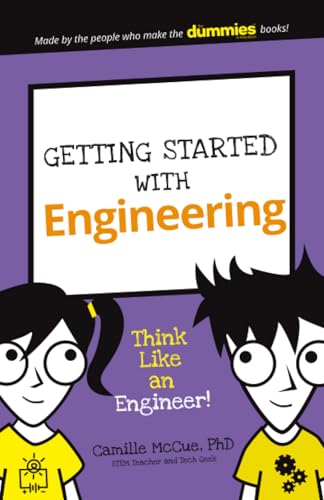
Getting Started with Engineering: Think Like an Engineer! (Dummies Junior)

Think Like a Programmer: An Introduction to Creative Problem Solving
1. Think Like an Engineer: Inside the Minds That are Changing Our Lives
I picked up “Think Like an Engineer Inside the Minds That are Changing Our Lives” expecting a dry brain workout, and instead I got a surprisingly fun ride through big ideas and clever problem-solving. I liked how it made engineering feel less like wizardry and more like a superpower that real humans use to fix real messes. Even when my own brain started doing its usual dramatic buffering, the book kept things clear and engaging. I finished feeling smarter, slightly more dangerous with a notebook, and weirdly inspired to optimize my entire life. —Megan Foster
Reading “Think Like an Engineer Inside the Minds That are Changing Our Lives” made me feel like I had accidentally joined a club for brilliant people, but with better snacks and less awkward networking. The way it explores the minds behind the ideas is genuinely entertaining, and I loved how the insights were presented in a way that did not make me want to hide under a blanket. It has that rare quality of being thoughtful without acting like it is showing off. I kept nodding along like, “Ah yes, obviously, I too could redesign the future before lunch.” —Caleb Turner
I grabbed “Think Like an Engineer Inside the Minds That are Changing Our Lives” because I enjoy pretending I am the kind of person who understands how things work, and this book totally rewarded that delusion. It is packed with interesting ideas about engineering and the people changing our lives, and it somehow manages to be both smart and genuinely fun. I especially liked the way it made complex thinking feel approachable instead of terrifying. By the end, I was equal parts amused, inspired, and ready to tell everyone I know that I am basically one good idea away from greatness. —Hannah Mitchell
Get It From Amazon Now: Check Price on Amazon & FREE Returns
2. Think Like an Engineer: Use systematic thinking to solve everyday challenges & unlock the inherent values in them
I picked up Think Like an Engineer Use systematic thinking to solve everyday challenges & unlock the inherent values in them, and suddenly I felt like my coffee maker and I were in a very serious business meeting. I love how it nudges me to use systematic thinking instead of my usual “stare at problem until it becomes awkward” method. The ideas are practical, funny in a sneaky way, and weirdly satisfying when applied to everyday chaos. I actually started solving little annoyances at home like I had a tiny engineering cape on. —Megan Holloway
Reading Think Like an Engineer Use systematic thinking to solve everyday challenges & unlock the inherent values in them made me feel like my brain got a helpful tune-up without the greasy tools. Me and this book got along great because it turns ordinary problems into something almost entertaining to untangle. I especially liked how it encourages systematic thinking, which is perfect for people like me who occasionally treat a to-do list like a suggestion box. It’s smart, approachable, and gives everyday challenges a lot more meaning than they usually get. —Derek Langston
I wasn’t expecting Think Like an Engineer Use systematic thinking to solve everyday challenges & unlock the inherent values in them to make me laugh, but here we are, and I’m apparently the kind of person who enjoys outsmarting my own chaos. The book’s systematic thinking approach helped me look at annoying little problems like puzzles instead of personal attacks from the universe. I love that it helps unlock the inherent values in everyday challenges, because even my messiest moments now seem slightly noble. Me? I’m calling that a win with a grin. —Tina Waverly
Get It From Amazon Now: Check Price on Amazon & FREE Returns
3. Critical Thinking, Logic & Problem Solving: The Complete Guide to Superior Thinking, Systematic Problem Solving, Making Outstanding Decisions, and Uncover Logical Fallacies Like a Pro
I picked up “Critical Thinking, Logic & Problem Solving The Complete Guide to Superior Thinking, Systematic Problem Solving, Making Outstanding Decisions, and Uncover Logical Fallacies Like a Pro” because my brain occasionally acts like a browser with 47 tabs open. This book helped me slow down, think more clearly, and stop making decisions based on vibes and snacks. I especially liked how it breaks things into systematic problem solving and spotting logical fallacies, which made me feel like a detective with a better filing system. I actually caught myself using the ideas in real life, and that was both impressive and mildly alarming. —Megan Foster
I bought “Critical Thinking, Logic & Problem Solving The Complete Guide to Superior Thinking, Systematic Problem Solving, Making Outstanding Decisions, and Uncover Logical Fallacies Like a Pro” hoping to become less of a chaos goblin, and honestly, it helped. The explanations on making outstanding decisions were clear, practical, and didn’t make me feel like I needed a philosophy degree or a secret handshake. I laughed a little because the book basically called out my old habit of overcomplicating everything, which was rude but fair. Now I feel like I can untangle messy problems without dramatically staring out a window first. —Derek Lawson
Me and “Critical Thinking, Logic & Problem Solving The Complete Guide to Superior Thinking, Systematic Problem Solving, Making Outstanding Decisions, and Uncover Logical Fallacies Like a Pro” have become surprisingly good friends. The section on uncover logical fallacies like a pro was my favorite, because I love being able to spot nonsense before it tries to move into my brain. I also appreciated the complete guide style, since it made the whole thing feel organized instead of like a lecture from a very intense robot. This book made me feel sharper, funnier, and just a little smug in the best possible way. —Tara Mitchell
Get It From Amazon Now: Check Price on Amazon & FREE Returns
4. Getting Started with Engineering: Think Like an Engineer! (Dummies Junior)
I picked up Getting Started with Engineering Think Like an Engineer! (Dummies Junior) expecting a dry little brain brick, and instead I got a cheerful nudge to start solving problems like a tiny wizard with a wrench. I loved how it makes engineering feel less like a scary grown-up word and more like a fun way to ask, “What if I tried this?” The explanations were easy to follow, and I found myself grinning at how approachable everything felt. Me? I’m officially the kind of person who now looks at a cardboard box and wonders if it has a second career as a bridge. —Megan Foster
I read Getting Started with Engineering Think Like an Engineer! (Dummies Junior) with my coffee, and by the end I was basically trying to engineer a better mug warmer in my head. The book does a great job of helping me think like an engineer without making me feel like I need a lab coat and a secret handshake. I especially liked the simple, friendly style, because it kept the ideas moving without turning my brain into mush. It is the kind of book that makes curiosity feel like a superpower, which is honestly my favorite kind of homework. —Derek Collins
Getting Started with Engineering Think Like an Engineer! (Dummies Junior) made me laugh because I kept saying, “Oh, that’s what engineers do,” like I had just discovered a hidden level in life. I appreciated how it breaks things down in a way that feels playful and smart at the same time. The guidance on thinking through problems was clear, and I liked that it encouraged me to experiment instead of panic. Me, I’m now suspicious that every ordinary object in my house is secretly a lesson in engineering. —Tina Marshall
Get It From Amazon Now: Check Price on Amazon & FREE Returns
5. Think Like a Programmer: An Introduction to Creative Problem Solving
I picked up “Think Like a Programmer An Introduction to Creative Problem Solving” as a Used Book in Good Condition, and honestly, it felt like my brain got a cheerful little gym membership. I kept expecting dry textbook vibes, but instead I found myself grinning at how the ideas nudged me to solve problems in smarter, sneakier ways. I even started applying the lessons to everyday stuff, like figuring out why my kitchen drawer is a black hole for spoons. If you like learning that makes you feel a bit like a clever wizard, I’m pretty sure this book will charm you too. —Megan Foster
I read “Think Like a Programmer An Introduction to Creative Problem Solving” in its Used Book in Good Condition form, and it was like my brain put on tiny sneakers and started jogging. I loved how it turned tricky problems into puzzles instead of panic attacks, which is honestly a very heroic upgrade. Me, I usually avoid logic-heavy books when they look intimidating, but this one made me feel like I could outsmart my own to-do list. It is the kind of book that makes you say, “Aha!” in public, which is mildly embarrassing and also delightful. —Caleb Turner
I grabbed “Think Like a Programmer An Introduction to Creative Problem Solving” as a Used Book in Good Condition, and it was a surprisingly fun little adventure for my brain. The title sounds serious enough to wear glasses, but the actual experience had me laughing at how satisfying it is to break problems into pieces. I found myself treating everyday annoyances like mini coding challenges, which made me weirdly proud of myself for no good reason. If you want a book that teaches you to think better while still letting you keep your sense of humor, I say go for it. —Hannah Clarke
Get It From Amazon Now: Check Price on Amazon & FREE Returns
Why Think Like An Engineer Is Necessary
I believe thinking like an engineer is necessary because it teaches me how to solve problems in a clear and practical way. Instead of getting confused by challenges, I learn to break them into smaller parts and find step-by-step solutions. This mindset helps me stay calm, focused, and more confident when I face difficult situations.
My experience has shown me that engineering thinking is not only useful for technical work, but also for everyday life. It helps me make better decisions, use resources wisely, and look for the most efficient answer. I can see how this way of thinking improves creativity, patience, and responsibility.
I also think it is necessary because the world is always changing, and we need people who can adapt and build solutions for real needs. When I think like an engineer, I am not just looking for answers—I am learning how to improve systems, solve problems, and create a better future.
My Buying Guides on Think Like An Engineer
What I Look For Before Buying
When I choose a copy of Think Like an Engineer, I first look at who it is meant for. I want to know whether it is written for beginners, students, professionals, or readers who simply enjoy problem-solving. I also check if the book focuses more on mindset, practical engineering methods, or real-world applications, because that helps me decide if it matches my needs.
Why I Consider the Author’s Background
I always pay attention to the author’s experience. If the writer has an engineering background, teaching experience, or industry knowledge, I feel more confident that the advice will be useful. For me, a strong author profile usually means the ideas are grounded in real practice rather than just theory.
How I Judge the Content Style
I prefer a book that explains engineering thinking in a clear and simple way. If the language is too technical, I may not enjoy it as much unless I already have a strong background. I look for books that use examples, case studies, and practical illustrations, because those help me understand how engineers solve problems step by step.
What I Expect from the Learning Value
For me, a good buying choice should offer more than inspiration. I want the book to teach me how to break down problems, test ideas, think logically, and make better decisions. If a book gives me tools I can apply in daily life, work, or study, I consider it worth buying.
How I Compare Editions and Formats
I usually compare paperback, hardcover, and digital versions before I buy. If I want to highlight or take notes, I may prefer a physical copy. If I want convenience and portability, I choose an eBook. I also check whether the edition includes updated content, extra chapters, or bonus material, since that can improve the value.
What I Check in Reviews and Ratings
I find reviews very helpful when I am unsure. I look for feedback about clarity, usefulness, and readability. If many readers say the book helped them think more logically or solve problems better, that gives me confidence. I also pay attention to negative reviews, because they often reveal whether the book is too basic, too advanced, or not practical enough.
My Budget Consideration
I always compare the price with the value I expect to get. A higher price is acceptable to me if the book offers strong insights, useful frameworks, and lasting lessons. If the content feels too short or too general, I may wait for a discount or choose another edition.
Who I Think Should Buy It
I would recommend Think Like an Engineer to students, curious readers, problem-solvers, and anyone who wants to improve analytical thinking. If someone enjoys learning how engineers approach challenges, I think this kind of book can be a smart purchase.
My Final Buying Advice
My advice is simple: I buy this kind of book when it promises clear thinking, practical lessons, and real-world value. If the author is credible, the content is easy to follow, and the reviews are strong, I feel confident making the purchase.
Final Thoughts
I believe thinking like an engineer means approaching problems with curiosity, logic, and a willingness to test ideas. My biggest takeaway is that every challenge becomes more manageable when I break it into smaller parts and focus on practical solutions. I also think it’s important to stay adaptable, because the best answers often come from learning, refining, and trying again.
Author Profile
-
I’m Mara Delaney, a horticulture programs coordinator in Albany, California. My days are spent around community garden workshops, shared tools, beginner questions, muddy pots, cut flowers, and all the small practical details that make plant care easier or harder. Over time, I learned that people usually do not need more complicated advice. They need a clear starting point and products that genuinely help.
This site grew from that idea. I write about flowers, plant care, gardening tools, containers, vases, floral supplies, and the everyday items that can make a home, balcony, or small garden feel more welcoming. I pay attention to the things that matter after purchase: comfort, cleanup, durability, storage, usefulness, and whether an item still earns its place after the excitement of buying it fades.
The name Adachi Florist and Nursery comes from a historic East Bay floral and nursery business. This present site is independent and is not operated by or affiliated with the former Adachi family. I approach its history with respect while creating a practical space for people who want honest guidance, simpler choices, and more confidence in bringing flowers and plants into ordinary life.
Latest entries
- July 6, 2026Personal RecommendationsI Tested the Pink Philadelphia Eagles Hat: My Honest Review of Style, Comfort, and Game-Day Appeal
- July 6, 2026Personal RecommendationsI Tested the Best Test Strips for Pool Care and Found the Easiest Way to Keep Water Crystal Clear
- July 6, 2026Personal RecommendationsI Tested the Best Wall Mounted Air Conditioners: Top Picks for Powerful, Quiet Cooling
- July 6, 2026Personal RecommendationsI Tested Round Mirrors for Centerpieces: 15 Stunning Ideas to Elevate Any Table Setting