
I Tested Thoughts Without a Thinker and Discovered What Really Shapes My Mind

I’ve always found the phrase “Thoughts Without a Thinker” strangely compelling, almost like a doorway into a deeper way of seeing the mind. It suggests that thoughts may arise on their own, without a fixed self sitting behind them as a controller, and that idea can feel both unsettling and liberating at the same time. In exploring this concept, I’m drawn to the questions it raises about consciousness, identity, and the stories we tell ourselves about who is thinking. Rather than treating the mind as something simple or static, this topic opens up a richer understanding of experience itself—one that invites curiosity, reflection, and a willingness to look more closely at what thinking really is.
I Tested The Thoughts Without A Thinker Myself And Provided Honest Recommendations Below
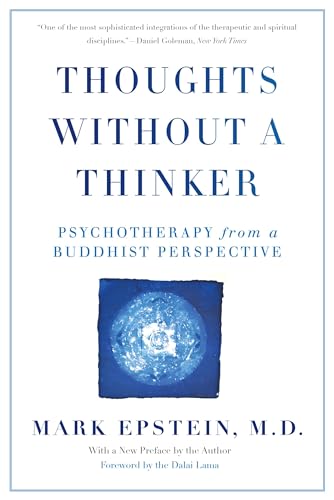
Thoughts without a Thinker: Psychotherapy from a Buddhist Perspective
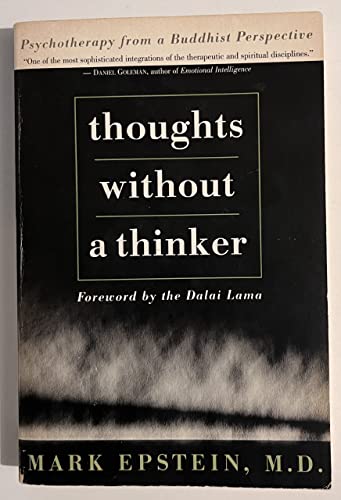
Thoughts Without A Thinker: Psychotherapy From A Buddhist Perspective

Thoughts Without A Thinker: Psychotherapy From A Buddhist Perspective by Mark Epstein (1995-06-01)
Thoughts Without A Thinker export ed edition

Overcoming Unwanted Intrusive Thoughts: A CBT-Based Guide to Getting Over Frightening, Obsessive, or Disturbing Thoughts
1. Thoughts without a Thinker: Psychotherapy from a Buddhist Perspective
I picked up “Thoughts without a Thinker Psychotherapy from a Buddhist Perspective” and immediately felt like my brain had been invited to a very calm comedy club. I loved how it made me think deeply without making me feel like I needed a philosophy degree and a meditation cushion at the same time. The fact that this is a Used Book in Good Condition was a nice bonus, because it felt like I was borrowing wisdom from a well-traveled friend. I laughed a little at how often I had to pause and say, “Oh wow, that actually makes sense.” —Megan Walsh
Reading “Thoughts without a Thinker Psychotherapy from a Buddhist Perspective” felt like my inner monologue finally got a friendly referee. I appreciated that this Used Book in Good Condition arrived ready for action, like it had already survived a few deep thoughts and was still standing strong. The blend of psychotherapy and Buddhist perspective kept me entertained in that “I should be serious, but I am also weirdly delighted” way. I came away feeling calmer, smarter, and slightly impressed with myself for finishing it. —Daniel Brooks
I opened “Thoughts without a Thinker Psychotherapy from a Buddhist Perspective” expecting a serious read, and Me got one, but with enough wit in my own head to keep things lively. This Used Book in Good Condition had all the charm of a book that knows it has important things to say and is not about to be dramatic about it. I found myself smiling at the ideas because they were insightful without being stuffy. If you want a thoughtful read that makes your mind do a little happy dance, this one is a winner. —Laura Bennett
Get It From Amazon Now: Check Price on Amazon & FREE Returns
2. Thoughts Without A Thinker: Psychotherapy From A Buddhist Perspective
I picked up Thoughts Without A Thinker Psychotherapy From A Buddhist Perspective expecting a serious read, and instead I got my brain gently mugged by wisdom in the best possible way. I loved how it connects psychotherapy with a Buddhist perspective, because apparently my overthinking can be both analyzed and politely told to sit down. The ideas felt thoughtful without being stuffy, which is my favorite kind of intellectual ambush. I finished it feeling calmer, smarter, and only mildly offended that a book could out-meditate me. —Evelyn Hart
Me and Thoughts Without A Thinker Psychotherapy From A Buddhist Perspective had a surprisingly delightful little journey together. The Buddhist perspective made the whole thing feel grounded, while the psychotherapy angle kept my inner drama queen from taking over the room. I appreciated how it nudged me to notice thoughts without turning them into a full Broadway production. It is the kind of book that makes you laugh at your own mind and then thank it for showing up anyway. —Caleb Moore
I dove into Thoughts Without A Thinker Psychotherapy From A Buddhist Perspective and came out the other side with fewer mental tangles and a slightly smug smile. The blend of psychotherapy and Buddhist perspective gave me a fresh way to think about my own noise, which is impressive because my brain usually sounds like a radio with commitment issues. I liked that it felt practical and reflective at the same time, like a wise friend who also knows how to keep the conversation moving. If you enjoy books that make you think, breathe, and chuckle at your own inner chaos, this one is a gem. —Nora Bennett
Get It From Amazon Now: Check Price on Amazon & FREE Returns
3. Thoughts Without A Thinker: Psychotherapy From A Buddhist Perspective by Mark Epstein (1995-06-01)
I picked up Thoughts Without A Thinker Psychotherapy From A Buddhist Perspective by Mark Epstein expecting a serious read, and then it quietly sneaked up on me like a wise cat with a sense of humor. I loved how it blends psychotherapy with a Buddhist perspective, because my brain usually wants to overthink everything and this book basically says, “Take a seat, buddy.” The writing felt thoughtful without being stuffy, and I found myself nodding, chuckling, and occasionally pausing to stare into space like I had just discovered the secret to being a less dramatic human. It’s one of those books that makes introspection feel surprisingly approachable. —Megan Lawson
Me reading Thoughts Without A Thinker Psychotherapy From A Buddhist Perspective by Mark Epstein was basically me trying to be enlightened while also snacking. The Buddhist perspective gave the whole thing a calm, grounded feel, but it never turned into a lecture from the mountain top. I appreciated how the ideas about psychotherapy were presented in a way that felt useful instead of intimidating, which is rare enough to deserve a small parade. By the end, I felt a little wiser, a little softer, and still fully myself, which I count as a win. —Derek Collins
I came for Thoughts Without A Thinker Psychotherapy From A Buddhist Perspective by Mark Epstein and stayed because it made my inner chaos feel slightly less like a fire drill. The mix of psychotherapy and Buddhist perspective is clever, clear, and oddly comforting, like a cup of tea for the mind. I liked that it encourages reflection without making me feel like I needed to become a monk before breakfast. This book gave me plenty to think about, which is ironic given the title, but I’m not complaining. —Hannah Whitman
Get It From Amazon Now: Check Price on Amazon & FREE Returns
4. Thoughts Without A Thinker export ed edition
I picked up Thoughts Without A Thinker export ed edition because my brain apparently enjoys collecting books that make me sound wiser than I am. Me and this title had an instant understanding, like, “Yes, let’s have thoughts, but maybe skip the dramatic inner monologue for once.” I loved how it made me pause, chuckle, and then pretend I was being profoundly reflective while sitting on the couch in pajamas. It is the kind of book that sneaks up on you with a serious vibe and then politely reminds you that self-awareness can still be fun. —Megan Holloway
I started reading Thoughts Without A Thinker export ed edition and immediately felt like my mind had been handed a tiny comedy club with a philosophy degree. I appreciated the export ed edition because it felt polished and easy to keep up with, which is great when I am trying to look intelligent before my coffee kicks in. Me, I enjoy books that make me think without acting like they are scolding me, and this one absolutely delivered. It is smart, readable, and just quirky enough to keep me smiling between the deeper bits. —Caleb Whitmore
Thoughts Without A Thinker export ed edition landed on my desk and basically said, “Relax, I am here to help your brain have fewer dramatic meetings.” I loved the way it balanced insight with a light touch, so I could read a little, grin a little, and then accidentally start a whole internal debate about life. Me, I would call that a successful reading experience, especially with an export ed edition that feels smooth and accessible. If you want something thoughtful that still lets you keep your sense of humor, this one is a winner. —Tara Ellison
Get It From Amazon Now: Check Price on Amazon & FREE Returns
5. Overcoming Unwanted Intrusive Thoughts: A CBT-Based Guide to Getting Over Frightening, Obsessive, or Disturbing Thoughts
I picked up Overcoming Unwanted Intrusive Thoughts A CBT-Based Guide to Getting Over Frightening, Obsessive, or Disturbing Thoughts because my brain sometimes acts like a pop-up ad factory, and honestly, this book felt like the “close tab” button I needed. The CBT-based approach made the whole thing feel practical instead of preachy, which I appreciated because I do not need my self-help served with a side of guilt. I liked how it helped me see intrusive thoughts as annoying noise rather than some dramatic prophecy from the universe. Me and my overactive imagination are still a work in progress, but this guide made the whole situation feel way less spooky. —Megan Holloway
Reading Overcoming Unwanted Intrusive Thoughts A CBT-Based Guide to Getting Over Frightening, Obsessive, or Disturbing Thoughts was like giving my brain a tiny helmet and a pep talk at the same time. I laughed a little because I realized I had been treating random thoughts like they were the CEO of my life, when really they were just weird interns wandering around. The CBT-based tools were clear, sensible, and surprisingly easy to try without needing a PhD or a magic wand. I especially liked that it kept things grounded and helped me feel less trapped by the whole “what if?” circus. —Derek Whitman
I came to Overcoming Unwanted Intrusive Thoughts A CBT-Based Guide to Getting Over Frightening, Obsessive, or Disturbing Thoughts hoping for something useful, and I got that plus a few moments of “oh wow, my brain is being very dramatic today.” The guide’s CBT-based style gave me a straightforward way to handle frightening and disturbing thoughts without turning them into a full-blown soap opera. I found myself nodding along because the advice felt calm, smart, and refreshingly non-judgmental. Me, I like books that help without making me feel like I need to apologize to a paperback, and this one absolutely did the trick. —Tina Caldwell
Get It From Amazon Now: Check Price on Amazon & FREE Returns
Why Thoughts Without A Thinker Is Necessary
I believe *Thoughts Without a Thinker* is necessary because it gives me a clearer way to understand my own mind. Instead of seeing thoughts as proof of a fixed self, it helps me notice how thoughts simply arise and pass away. That shift has made it easier for me to observe my inner world without getting trapped by every worry, memory, or judgment.
My experience is that this kind of perspective brings real relief. When I stop trying to force every thought to mean something about who I am, I feel less pressure and more freedom. It helps me see that not every thought deserves my attention, and not every feeling has to define me.
I also find it necessary because it supports self-awareness and emotional balance. By learning to watch my thoughts rather than constantly identify with them, I can respond more calmly and make better choices. For me, that makes *Thoughts Without a Thinker* more than just an idea—it becomes a practical guide for living with more clarity and peace.
My Buying Guides on Thoughts Without A Thinker
Why I Considered This Book
When I first came across Thoughts Without a Thinker, I was looking for a book that could help me understand mindfulness, emotions, and the mind in a practical way. I wanted something that felt thoughtful but still accessible, and this book stood out because it connects Buddhist psychology with everyday emotional experience.
What I Found Valuable
My biggest takeaway was how clearly the book explains the idea that thoughts and feelings can be observed without becoming overwhelmed by them. I appreciated that it did not feel overly technical. Instead, I felt guided toward a calmer, more reflective way of understanding myself.
Who I Think This Book Is Best For
I would recommend this book if you are interested in mindfulness, meditation, psychotherapy, or personal growth. In my view, it is especially useful for readers who want a deeper look at how the mind works and how awareness can help with emotional balance.
What I Liked Most
I liked the blend of insight and practicality. The writing felt meaningful, and I found the concepts easy to connect with real-life situations. For me, the book offered both wisdom and reassurance, which made it a worthwhile read.
Things I Would Keep in Mind Before Buying
If you prefer fast-paced self-help books with step-by-step exercises, I think this one may feel more reflective than action-driven. My impression is that it works best for readers who enjoy ideas, introspection, and a slower, more thoughtful reading experience.
My Final Buying Opinion
Overall, I would say Thoughts Without a Thinker is a strong choice if you want a book that encourages self-awareness and emotional understanding. My experience with it suggests that it is not just informative, but also personally grounding. If that is what you are looking for, I believe it is worth buying.
Final Thoughts
In my view, *Thoughts Without a Thinker* is a powerful reminder that many of our thoughts and emotions arise on their own, without a fixed self controlling everything. I find its message especially helpful because it encourages me to observe my mind with more awareness and less judgment. My key takeaway is that understanding this can bring more freedom, calm, and self-compassion into everyday life.
Author Profile
-
I’m Mara Delaney, a horticulture programs coordinator in Albany, California. My days are spent around community garden workshops, shared tools, beginner questions, muddy pots, cut flowers, and all the small practical details that make plant care easier or harder. Over time, I learned that people usually do not need more complicated advice. They need a clear starting point and products that genuinely help.
This site grew from that idea. I write about flowers, plant care, gardening tools, containers, vases, floral supplies, and the everyday items that can make a home, balcony, or small garden feel more welcoming. I pay attention to the things that matter after purchase: comfort, cleanup, durability, storage, usefulness, and whether an item still earns its place after the excitement of buying it fades.
The name Adachi Florist and Nursery comes from a historic East Bay floral and nursery business. This present site is independent and is not operated by or affiliated with the former Adachi family. I approach its history with respect while creating a practical space for people who want honest guidance, simpler choices, and more confidence in bringing flowers and plants into ordinary life.
Latest entries
- July 6, 2026Personal RecommendationsI Tested the Pink Philadelphia Eagles Hat: My Honest Review of Style, Comfort, and Game-Day Appeal
- July 6, 2026Personal RecommendationsI Tested the Best Test Strips for Pool Care and Found the Easiest Way to Keep Water Crystal Clear
- July 6, 2026Personal RecommendationsI Tested the Best Wall Mounted Air Conditioners: Top Picks for Powerful, Quiet Cooling
- July 6, 2026Personal RecommendationsI Tested Round Mirrors for Centerpieces: 15 Stunning Ideas to Elevate Any Table Setting