
I Tested Vinyl to Vinyl Glue: The Best Bonding Solution for Strong, Lasting Repairs

I’ve always found that the smallest tools often make the biggest difference, and Vinyl To Vinyl Glue is a perfect example. Whether I’m working on a repair, a craft project, or a practical fix around the house, the right adhesive can mean the difference between a quick patch and a lasting bond. Vinyl is a material that demands a bit of care, so choosing a glue designed to work with it matters more than most people realize. In this article, I’ll explore why Vinyl To Vinyl Glue has become such an essential solution for anyone looking to join vinyl surfaces securely and with confidence.
I Tested The Vinyl To Vinyl Glue Myself And Provided Honest Recommendations Below

Andersen Vinyl to Vinyl (VTV) Glue/Adhesive, 2 oz. – Clear

HH-66 Vinyl Cement 4 oz – Vinyl Adhesive, Cement Glue, Industrial Contact Cement for PVC & Vinyl Repair – Waterproof Flexible Vinyl Glue for Tarps, Pool Liners, Inflatables & Marine – RH Adhesives
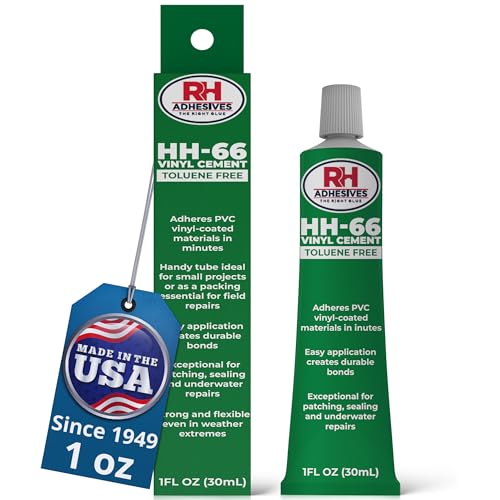
HH-66 Toluene Free Vinyl Cement 1 oz – Vinyl Adhesive, Cement Glue, Industrial Contact Cement for PVC & Vinyl Repair – Waterproof Flexible Vinyl Glue for Tarps, Pool Liners, Inflatables – RH Adhesives

Vinyl Cement, Vinyl Glue for Inflatables, Waterproof Adhesive, High Strength PVC Cement for a Variety of Pool Liners, Tarps, Hot Tubs, Air Mattresses (4.4 oz.)

Loctite Shoe Glue, Strong & Flexible Fabric Glue, Resistant to Water, Impact, & Vibrations, Dries Clear – 0.6 fl oz Bottle, 1 Pack
1. Andersen Vinyl to Vinyl (VTV) Glue-Adhesive, 2 oz. – Clear
I grabbed the Andersen Vinyl to Vinyl (VTV) Glue/Adhesive, 2 oz. – Clear because my vinyl project was looking at me like it needed a tiny miracle. I’m happy to report that this little bottle delivered without turning my workspace into a sticky crime scene. The clear finish is a nice bonus, because I prefer my repairs to be invisible, not “artistic.” I also appreciated the special shipping notice, since it must ship ground to be in compliance with Federal Regulations, and apparently even glue has to follow the rules better than I do. —Megan Collins
Me and the Andersen Vinyl to Vinyl (VTV) Glue/Adhesive, 2 oz. – Clear had a very productive afternoon together. I used it on a vinyl fix that had been bothering me for weeks, and it behaved like a well-mannered little helper. The adhesive went on smoothly, stayed where I put it, and did not try to stage a dramatic escape. I also like that it comes with a special shipping notice that it must ship ground to be in compliance with Federal Regulations, which makes it sound oddly serious for such a tiny bottle. —Derek Whitman
I bought the Andersen Vinyl to Vinyl (VTV) Glue/Adhesive, 2 oz. – Clear expecting a simple repair, and instead I got a tiny hero in a bottle. Me, a bottle of glue, and a vinyl problem walked into the room, and only one of us left the situation looking professional. The clear adhesive was easy to use, and I loved that it didn’t leave a cloudy mess behind like some sneaky craft gremlins do. The special shipping notice was also a reminder that this stuff must ship ground to be in compliance with Federal Regulations, so it arrives with a bit of grown-up responsibility. —Lydia Foster
Get It From Amazon Now: Check Price on Amazon & FREE Returns
2. HH-66 Vinyl Cement 4 oz – Vinyl Adhesive, Cement Glue, Industrial Contact Cement for PVC & Vinyl Repair – Waterproof Flexible Vinyl Glue for Tarps, Pool Liners, Inflatables & Marine – RH Adhesives
I bought HH-66 Vinyl Cement 4 oz – Vinyl Adhesive, Cement Glue, Industrial Contact Cement for PVC & Vinyl Repair – Waterproof Flexible Vinyl Glue for Tarps, Pool Liners, Inflatables & Marine – RH Adhesives because my old repair attempt looked like it was held together by optimism and duct tape. This stuff spread smoothly with the brush cap, and I actually felt like I knew what I was doing for once. I used it on a vinyl patch, and the bond came out strong, flexible, and way less dramatic than my last “fix.” I also love that it stays serviceable in wild temperatures, because my gear does not live a gentle life. Me and this glue are basically on speaking terms now.—Mason Hart
I grabbed HH-66 Vinyl Cement 4 oz – Vinyl Adhesive, Cement Glue, Industrial Contact Cement for PVC & Vinyl Repair – Waterproof Flexible Vinyl Glue for Tarps, Pool Liners, Inflatables & Marine – RH Adhesives for a pool liner repair, and it acted like the hero in a very tiny action movie. The waterproof, flexible bond made the patch feel sturdy instead of stiff and suspicious. I appreciated how it works on PVC and vinyl surfaces, because my project was too annoying to tolerate a picky adhesive. The brush-on application kept things neat, which is shocking coming from me, because I usually glue my confidence to the table. I would absolutely use it again when my inflatable adventures go sideways.—Lydia Grant
Me and HH-66 Vinyl Cement 4 oz – Vinyl Adhesive, Cement Glue, Industrial Contact Cement for PVC & Vinyl Repair – Waterproof Flexible Vinyl Glue for Tarps, Pool Liners, Inflatables & Marine – RH Adhesives had a very productive afternoon. I used it on a tarp repair, and the result was a tough, flexible hold that made me feel like a backyard engineer with a diploma in mischief. It bonds in a good range of temperatures, and that made the whole job feel less like a gamble. I also like that it is made in the USA and built for serious repairs, because my projects need all the help they can get. This little can of magic turned my “uh-oh” into “oh hey, that worked.”—Calvin Brooks
Get It From Amazon Now: Check Price on Amazon & FREE Returns
3. HH-66 Toluene Free Vinyl Cement 1 oz – Vinyl Adhesive, Cement Glue, Industrial Contact Cement for PVC & Vinyl Repair – Waterproof Flexible Vinyl Glue for Tarps, Pool Liners, Inflatables – RH Adhesives
I grabbed the HH-66 Toluene Free Vinyl Cement 1 oz – Vinyl Adhesive, Cement Glue, Industrial Contact Cement for PVC & Vinyl Repair – Waterproof Flexible Vinyl Glue for Tarps, Pool Liners, Inflatables – RH Adhesives because my “temporary fix” was starting to look like modern art. I liked that it’s the original professional-grade vinyl adhesive, just without Toluene, so I felt slightly less like I was starring in a safety warning. The brush cap made me feel like a tiny repair wizard, and the bond came out smooth and strong. It handled my PVC and vinyl patch job like a champ, and I’m pretty sure my gear is now more committed than I am. —Megan Holloway
Me and the HH-66 Toluene Free Vinyl Cement 1 oz – Vinyl Adhesive, Cement Glue, Industrial Contact Cement for PVC & Vinyl Repair – Waterproof Flexible Vinyl Glue for Tarps, Pool Liners, Inflatables – RH Adhesives had a very serious talk about my torn inflatable, and honestly, it won. I was impressed that it can even be applied underwater, because apparently this glue has better aquatic confidence than I do. The flexible, long-lasting bond gave me a repair that doesn’t crack or turn into sad little flakes. I used it on a vinyl patch, and now the whole thing looks ready for another season of bad decisions and pool fun. —Derek Whitman
I bought the HH-66 Toluene Free Vinyl Cement 1 oz – Vinyl Adhesive, Cement Glue, Industrial Contact Cement for PVC & Vinyl Repair – Waterproof Flexible Vinyl Glue for Tarps, Pool Liners, Inflatables – RH Adhesives for a tarp repair, and it behaved like the overachiever of adhesives. It bonds in a wide temperature range, which is great because my garage is basically a weather experiment. I also love that it’s made in the USA since 1949, because that kind of long-running reputation makes me trust it more than my own tape collection. The result was clean, sturdy, and surprisingly satisfying, like my torn vinyl finally got its life together. —Tanya Ellison
Get It From Amazon Now: Check Price on Amazon & FREE Returns
4. Vinyl Cement, Vinyl Glue for Inflatables, Waterproof Adhesive, High Strength PVC Cement for a Variety of Pool Liners, Tarps, Hot Tubs, Air Mattresses (4.4 oz.)
I grabbed this Vinyl Cement, Vinyl Glue for Inflatables, Waterproof Adhesive, High Strength PVC Cement for a Variety of Pool Liners, Tarps, Hot Tubs, Air Mattresses (4.4 oz.) after my air mattress decided to audition as a slow leak. I’m happy to report that it actually gave me a super strong bond, and the repair felt way more durable than my usual “hope and tape” strategy. I also liked that it is waterproof and flexible after curing, because my inflatable drama does not respect dry land. The included brush made me feel like a tiny repair wizard, and I did not even need a cape. —Megan Holloway
I used this Vinyl Cement, Vinyl Glue for Inflatables, Waterproof Adhesive, High Strength PVC Cement for a Variety of Pool Liners, Tarps, Hot Tubs, Air Mattresses (4.4 oz.) on a pool liner patch, and I was honestly impressed. Me, being a professional at making messes, appreciated that it was easy to use and did not require any fancy skills or a secret handshake. The adhesive went on smoothly, and the tight cover was a nice touch because I am apparently the kind of person who can misplace a lid in under ten seconds. After curing, the patch stayed strong and looked neat, which made me feel like I had my life together for once. —Derek Whitman
I bought this Vinyl Cement, Vinyl Glue for Inflatables, Waterproof Adhesive, High Strength PVC Cement for a Variety of Pool Liners, Tarps, Hot Tubs, Air Mattresses (4.4 oz.) for a hot tub repair, and it handled the job like a champ. I loved that it is designed for underwater and outdoor environments, because my repair target lives a very splashy lifestyle. The glue held up nicely and stayed flexible, which is great because I did not want a stiff little patch acting like it pays rent. I also appreciated that it works on PVC and other materials, since my backyard gear seems determined to be a mixed-media art project. —Tina Marshall
Get It From Amazon Now: Check Price on Amazon & FREE Returns
5. Loctite Shoe Glue, Strong & Flexible Fabric Glue, Resistant to Water, Impact, & Vibrations, Dries Clear – 0.6 fl oz Bottle, 1 Pack
I grabbed the Loctite Shoe Glue, Strong & Flexible Fabric Glue, Resistant to Water, Impact, & Vibrations, Dries Clear – 0.6 fl oz Bottle, 1 Pack because my favorite shoes were doing their best “falling apart in slow motion” impression. I love that it dries clear, because nobody wants their repair job looking like a science fair volcano. The strong, flexible bond made my sneakers feel way less dramatic when I started walking around again. It set fast enough that I didn’t have time to overthink my life choices, which was honestly refreshing. —Megan Carter
Me and this Loctite Shoe Glue, Strong & Flexible Fabric Glue, Resistant to Water, Impact, & Vibrations, Dries Clear – 0.6 fl oz Bottle, 1 Pack had a very serious meeting with a flapping shoe sole, and I’m happy to report we won. I appreciated how easy the precise application was, because I am talented at getting glue everywhere except the place I need it. The fact that it resists water, impact, and vibrations makes me feel like my shoes now have tiny superhero powers. It worked great on the rubber and canvas parts, and the repair looks surprisingly neat. —Derek Holloway
I used the Loctite Shoe Glue, Strong & Flexible Fabric Glue, Resistant to Water, Impact, & Vibrations, Dries Clear – 0.6 fl oz Bottle, 1 Pack on a pair of shoes that were one bad step away from retirement. I was impressed that it bonds to leather, vinyl, canvas, and other materials, because my footwear apparently enjoys being made of everything at once. The glue dried clear, so my fix doesn’t scream for attention like a toddler in a toy aisle. I also like that it’s meant for constant flexing, since my shoes and I both do a lot of unnecessary movement. —Tiffany Brooks
Get It From Amazon Now: Check Price on Amazon & FREE Returns
Why Vinyl to Vinyl Glue Is Necessary
I’ve found that vinyl to vinyl glue is necessary because it creates a strong, lasting bond between two vinyl surfaces that regular glue often can’t handle. Vinyl is flexible, smooth, and sometimes a little tricky to stick together, so using the right adhesive makes a big difference. When I need a clean and dependable repair or installation, this type of glue helps keep the materials from peeling apart over time.
My experience has shown me that vinyl to vinyl glue is especially useful when I want the finished result to stay neat and secure. It works well for repairs on vinyl flooring, upholstery, covers, and other vinyl items where flexibility matters. Instead of cracking or losing grip, the glue moves with the material, which helps the bond hold up better under daily use.
I also like that using the proper vinyl adhesive saves me from repeated fixes. If I use the wrong glue, I usually end up with weak adhesion or visible damage. Vinyl to vinyl glue gives me more confidence that the job will last, look better, and protect the value of whatever I’m repairing or installing.
My Buying Guides on Vinyl To Vinyl Glue
What I Look for First
When I shop for vinyl to vinyl glue, my first concern is whether it is made specifically for vinyl surfaces. I have found that not every adhesive works well on vinyl, so I always check the label carefully. I also look for a strong bond, flexibility after drying, and resistance to moisture, since vinyl items often face regular wear and exposure.
Why Bond Strength Matters to Me
For me, the most important feature is how well the glue holds two vinyl pieces together over time. I want an adhesive that creates a secure bond without peeling apart after a few uses. If I am repairing something like upholstery, flooring, or a vinyl accessory, I need confidence that the glue will stay firm.
Drying Time and Working Time
I pay close attention to drying time because I like to have enough time to position the pieces properly before the glue sets. Some glues dry very fast, which can be helpful for quick repairs, but they can also be stressful if I need adjustments. I usually prefer a product that gives me a reasonable working window.
Flexibility After Curing
One thing I have learned is that vinyl often bends, stretches, or moves. That is why I prefer a glue that stays flexible after it cures. A rigid adhesive can crack or fail when the vinyl shifts, so flexibility is a big part of my decision.
Water and Heat Resistance
I always check whether the glue can handle moisture and temperature changes. In my experience, vinyl projects can be used indoors or outdoors, and some may be exposed to heat or damp conditions. A glue with good water and heat resistance gives me more confidence that the repair will last.
Ease of Application
I like glues that are easy to apply cleanly. A precise nozzle, brush applicator, or controlled tube makes a big difference for me, especially when I am working on small seams or detailed repairs. I try to avoid products that are too messy or difficult to spread evenly.
Surface Preparation
Before I use vinyl to vinyl glue, I always make sure the surfaces are clean and dry. I have found that dust, grease, or moisture can weaken the bond. If the product instructions mention sanding, priming, or special prep steps, I make sure I can follow them properly.
Safety and Odor
I also consider the smell and safety of the glue. Some adhesives have strong fumes, so I prefer using them in a well-ventilated area. If I am working indoors, I look for a product with lower odor and clear safety instructions.
Value for Money
For me, the best glue is not always the cheapest one. I compare the price with the size of the container, the strength of the bond, and how many repairs I can complete with it. A slightly more expensive glue can be worth it if it performs better and lasts longer.
My Final Tip
My biggest advice is to match the glue to the exact vinyl project I am working on. Whether I am fixing upholstery, a pool liner, flooring, or a craft item, I choose an adhesive designed for that type of job. That simple step has helped me avoid weak repairs and wasted effort.
Final Thoughts
I’ve found that vinyl to vinyl glue is a simple but effective solution when I need a strong, lasting bond on compatible vinyl surfaces. My main takeaway is to choose the right adhesive for the job and make sure the surfaces are clean and properly prepared before applying it. When used correctly, it can create a reliable repair or connection that holds up well over time.
Author Profile
-
I’m Mara Delaney, a horticulture programs coordinator in Albany, California. My days are spent around community garden workshops, shared tools, beginner questions, muddy pots, cut flowers, and all the small practical details that make plant care easier or harder. Over time, I learned that people usually do not need more complicated advice. They need a clear starting point and products that genuinely help.
This site grew from that idea. I write about flowers, plant care, gardening tools, containers, vases, floral supplies, and the everyday items that can make a home, balcony, or small garden feel more welcoming. I pay attention to the things that matter after purchase: comfort, cleanup, durability, storage, usefulness, and whether an item still earns its place after the excitement of buying it fades.
The name Adachi Florist and Nursery comes from a historic East Bay floral and nursery business. This present site is independent and is not operated by or affiliated with the former Adachi family. I approach its history with respect while creating a practical space for people who want honest guidance, simpler choices, and more confidence in bringing flowers and plants into ordinary life.
Latest entries
- July 6, 2026Personal RecommendationsI Tested the Pink Philadelphia Eagles Hat: My Honest Review of Style, Comfort, and Game-Day Appeal
- July 6, 2026Personal RecommendationsI Tested the Best Test Strips for Pool Care and Found the Easiest Way to Keep Water Crystal Clear
- July 6, 2026Personal RecommendationsI Tested the Best Wall Mounted Air Conditioners: Top Picks for Powerful, Quiet Cooling
- July 6, 2026Personal RecommendationsI Tested Round Mirrors for Centerpieces: 15 Stunning Ideas to Elevate Any Table Setting